Add Row
Add Element
cropper
update
Local Women Entrepreneurs
update
Add Element
  • Home
  • Categories
    • local marketing
    • community engagement
    • business growth
    • sales strategies
    • customer relationships
    • networking tips
    • digital promotion
    • grassroots tactics
    • market reach
    • brand awareness
    • marketing tips
    • reputation
    • Health
August 21.2025
2 Minutes Read

Burton House Secures $55 Million Refinance Loan: A Boost for Beverly Hills

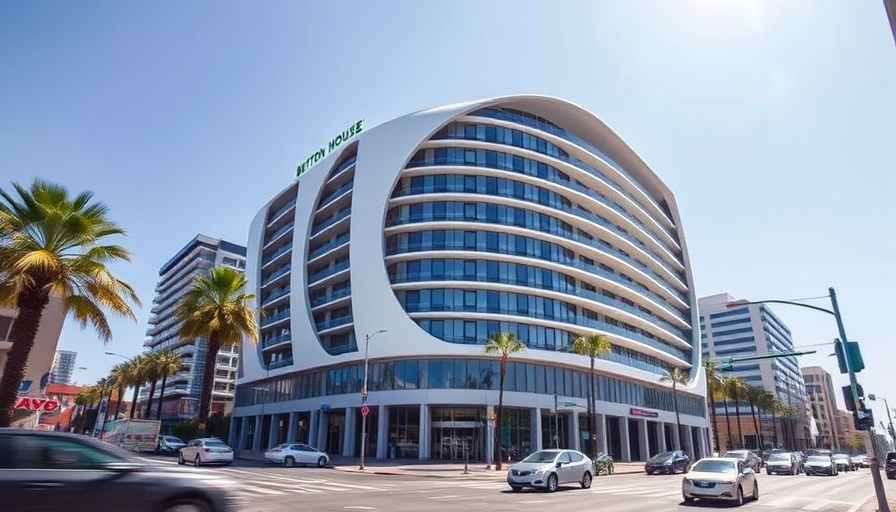
Burton House building at city intersection, sunny day view for refinance loan context.

Revolutionizing the Hospitality Scene: $55 Million Refinancing for Burton House

In a significant boost for local hospitality, the Burton House in Beverly Hills has secured a $55 million refinance loan from Mesa West Capital. This investment comes shortly after the hotel, once the Residence Inn Beverly Hills, underwent an extensive renovation costing $13.7 million and rebranded as a Marriott affiliate in May 2024. With improvements including redesigned guest rooms, updated dining areas, and a new fitness center, the Burton House is striving to set itself apart in a competitive market.

Why This Investment Matters for Local Growth

This financial backing not only aids the hotel in enhancing its operational performance but also marks a crucial step for the broader community. The improvements made to the Burton House promise to attract more visitors, which can positively impact local businesses and enhance the Pico-Robertson neighborhood's reputation as a luxury destination.

Elevating Guest Experience: The Heart of Burton House

Joshua Westerberg, leading the West Coast origination team at Mesa West, emphasized that the refinancing would allow the hotel to continue improving guest offerings. With significant increases in occupancy since its upgrades, the Burton House is positioning itself as a prime contender among luxury hotels in Beverly Hills. This rise in net operating income illustrates the hotel's commitment to providing exceptional guest experiences and bolstering its market presence.

The Community Focus and Future of the Burton House

As the Burton House takes steps to flourish under the Marriott brand, it simultaneously fosters community engagement. Local events and initiatives can thrive alongside the hotel's growth, further knitting together the fabric of the community. By creating a welcoming environment for travelers and residents alike, the hotel not only benefits economically but also enriches the social landscape.

With its prime location on S. Beverly Drive and stunning upgrades, the Burton House is set to become a beloved spot in Beverly Hills, further driving local pride and encouraging economic activity.

community engagement

43 Views

Write A Comment

*
*
Related Posts All Posts
02.20.2026

Citywide Adaptive Reuse Ordinance: Transforming Vacant Buildings into Homes

Update Transforming Vacancies into Vibrant Homes: A New Ordinance in LA As 2026 unfolds, Los Angeles stands at a crossroads, grappling with a considerable office vacancy rate of 23% while facing an acute housing shortage. With over 50 million square feet of empty office and retail space, the city is seeking innovative solutions to tackle these pressing challenges. Enter the newly adopted Citywide Adaptive Reuse Ordinance, a bold policy shift that could pave the way for repurposing underutilized buildings into multifamily housing. Understanding the Adaptive Reuse Movement This new ordinance, effective February 1, 2026, builds on previous efforts that began with the original Adaptive Reuse Ordinance in 1999, primarily benefiting downtown Los Angeles. This earlier initiative transformed over 12,000 outdated units into vibrant lofts and apartments through streamlined processes and zoning incentives. The expansion to a citywide effort means more opportunities for neighborhoods to thrive by turning vacant spaces into homes. Key Features of the Citywide Adaptive Reuse Ordinance One of the ordinance’s most significant changes is the expanded eligibility for buildings. Whereas previous laws focused on structures older than 1974, the new rule allows conversions of buildings that are merely 15 years old and up. Parking structures and hotels are included too, opening avenues that were previously overlooked. An essential addition is the removal of geographic restrictions. Previously confined to specific areas like Hollywood and Koreatown, adaptive reuse is now viable citywide, empowering development in previously excluded neighborhoods. This flexibility not only accelerates approval but also lessens complications that have historically plagued such projects. Streamlined Processes and Incentives Fueling Development Efforts to simplify the entitlement process significantly benefit developers. Buildings over 15 years old can now secure permits more swiftly, while slightly younger structures have a clearer pathway to approval. Moreover, developers face fewer zoning hurdles—minimum unit size and existing floor area standards are more flexible, enticing investment. A Dual Solution to Housing and Economic Issues The Citywide Adaptive Reuse Ordinance emerges as a double-edged sword—it addresses the critical housing crisis while offering a lifeline to business owners with vacant properties. With office occupancy unlikely to revert to pre-pandemic levels soon, transforming these spaces into residential locales serves as a practical resolution to the pressing needs of LA’s dynamic population. Looking Ahead: Community Impact and Opportunities The ripple effects of this ordinance will likely extend beyond just housing availability. By revitalizing neighborhoods, enhancing community identity, and fostering economic growth, new energy can be infused into areas that have long been stagnant. As community members observe the transformations, there’s potential for a renewed spirit of engagement and investment in local life. Adaptive reuse is more than just policy; it's a chance to reshape Los Angeles and breathe life back into communities. The success of this initiative holds the promise of a future where every empty space contributes to the rich tapestry of the city’s character.

02.17.2026

Passenger Traffic Decline: What's Next for Los Angeles Airports?

Update Major Airports in LA Experience Significant Passenger Declines In a surprising development for the travel industry, the four primary airports serving Los Angeles County have reported a notable decrease in passenger traffic for 2025. Collectively, Los Angeles International Airport, Ontario International, Hollywood Burbank, and Long Beach Airport saw a drop of 3.7%, totaling approximately 90.9 million travelers. This decline marks the first major downturn since the COVID-19 pandemic reshaped air travel dynamics. Understanding the Factors Behind the Decline Experts have identified a multifaceted array of reasons contributing to this slump. Ben Mutzabaugh, a travel industry analyst, emphasizes how reduced travel from Asian countries, particularly China, has significantly impacted these airports. Additionally, the economic climate — influenced by tariff uncertainties and a new administration's policies — has exacerbated traveler hesitance. Even natural disasters, like the recent Palisades and Eaton fires, negatively affected initial booking rates. Spotlight on Long Beach Airport's Challenges Long Beach Airport faced the steepest decline of nearly 8%, driven largely by operational challenges at Southwest Airlines, the airport's primary carrier. Changes such as the introduction of baggage fees and a shift from open seating to assigned boarding have caused dissatisfaction among passengers. This adjustment coincides with Southwest's strategic capacity reductions based on their evaluation of demand at these airports, which directly correlates to Long Beach's lowered numbers. Local Trends in Air Travel Interestingly, while passenger numbers fell at key airports, Ontario International managed a small uptick of 0.5%. This contrasts sharply with the sharp declines seen elsewhere. Such disparities highlight a shifting landscape in local air travel, as some airports adapt more successfully to the changing demands of travelers and market conditions. Conclusion: Implications for the Future of Air Travel in LA As Los Angeles navigates these travel declines, local dynamics suggest that strategies need to be re-evaluated. With ongoing challenges and recovery efforts in sight, it's crucial for these airports to adopt innovative approaches that prioritize passenger satisfaction and foster a more resilient travel environment. Understanding these trends is imperative for stakeholders looking to revitalize air travel in this bustling region.

02.17.2026

How Los Angeles' Adaptive Reuse Ordinance Will Transform Housing Options

Update A New Era in Housing: Los Angeles’ Adaptive Reuse Ordinance As the city of Los Angeles embraces its adaptive reuse ordinance, the landscape of residential development is undergoing a seismic shift. Set in motion on February 1, 2026, the updated ordinance aims to stimulate housing production by making it easier to convert underutilized commercial buildings into vibrant living spaces, an exhilarating prospect for anyone following the city's housing trends. Unpacking the Changes: What’s New in the Policy? The most striking aspect of the new ordinance is its expansion beyond previous limitations. Previously restricted to structures built before 1974, the eligibility now includes buildings as young as 15 years old. This rolling 15-year rule not only streamlines the approval process but also includes numerous incentives for including affordable housing units, allowing for unlimited density bonuses and even the potential for added stories. The shift aims to breathe new life into the thousands of square feet of vacant office space scattered throughout the city. Championing Sustainability and Community More than just a response to the housing crisis, the adaptive reuse ordinance is also seen as a sustainability initiative. By repurposing existing structures, the city hopes to reduce demolition waste and preserve the architectural elements that give neighborhoods their character. This aligns perfectly with Los Angeles’s efforts to mitigate urban sprawl and create more livable spaces. Current Market Context: A Push for New Housing As reported by CBRE, Los Angeles ranks second in the nation for housing transformation projects, trailing only behind Manhattan. The recent ordinance updates are expected to unlock thousands of commercial properties for residential conversion, transforming not only the skyline but also community engagement across the city. Local developers, like Jamison Properties, are already at the forefront, converting long-vacant office spaces into apartments, demonstrating the practical implications of the new policy. The Road Ahead: Future Projects on the Horizon Developers and city planners are excited about the potential projects that could emerge from this ordinance. For example, similar efforts seen in Santa Ana showcase how lesser-known buildings can be transformed into functional, residential units. This paves the way for more community-focused developments that blend commercial vitality with residential convenience. Conclusion: What This Means for Residents For the citizens of Los Angeles, the implications of the adaptive reuse ordinance are profound. Not only does it create the potential for more affordable housing options, but it also contributes significantly to creating districts that thrive year-round, transforming formerly dormant neighborhoods into lively, engaging spaces. Engaging with our city's housing initiatives is critically important as Los Angeles redefines its landscape. As community members, staying informed and involved in local projects is crucial to ensuring that these transformations benefit everyone, fostering a prosperous and vibrant community for all.

Terms of Service

Privacy Policy

Core Modal Title

Sorry, no results found

You Might Find These Articles Interesting

T
Please Check Your Email
We Will Be Following Up Shortly
*
*
*
