
Adapt Your Fitness Routine for Strength and Health
Fitness, Healthy Lifestyle, Strength Training, Wellness Tips
How to Adapt Your Fitness Routine to Stay Strong and Healthy
As a healthcare professional, I often see two extremes: people pushing through pain with the wrong workouts, and others giving up on fitness altogether when life changes. The truth lies in the middle. You can maintain a strong, healthy lifestyle by learning how to adapt your fitness routine as your body, schedule, and goals evolve.
Rethinking Fitness: From “All or Nothing” to “Always Something”
Many people still view fitness as intense gym sessions or long runs. In reality, a healthy lifestyle is built on consistent, manageable movement that fits your current season of life. Research shows that even short bouts of activity—10 to 15 minutes at a time—can improve blood pressure, mood, and energy levels when done regularly.
Instead of asking, “Can I follow this perfect plan?” ask, “How can I move my body safely today?” That mindset shift makes it much easier to adapt your fitness routine when you are busy, recovering from an illness, aging, or managing joint pain.
Strength Training: The Cornerstone of Staying Strong with Age
After age 30, we naturally lose muscle mass each decade, a process called sarcopenia. Evidence consistently shows that strength training is one of the most effective ways to slow or reverse this loss. Strong muscles support your joints, protect your bones, and make everyday tasks—climbing stairs, carrying groceries, playing with children—much easier and safer.
Aim for at least two non-consecutive days of strength work each week.
Focus on major muscle groups: legs, hips, back, chest, shoulders, and core.
Choose a weight or resistance that feels challenging by the last few repetitions, but not painful.
If you are new to exercise or returning after a break, start with bodyweight movements such as squats to a chair, wall push-ups, and supported lunges. These are safe, effective ways to build a foundation before progressing to heavier loads.
Exercise Modifications: Move Better, Not Just More
Exercise modifications are not a sign of weakness; they are a sign of wisdom. Adapting movements allows you to protect vulnerable joints, respect medical conditions, and still gain the benefits of fitness. Here are common ways to adjust workouts:
For knee discomfort: Swap deep squats for sit-to-stand from a chair, reduce range of motion, or use support such as a countertop or rail.
For wrist pain: Replace full push-ups with wall push-ups or incline push-ups using a bench to reduce pressure on the wrists.
For low back sensitivity: Focus on core-stability exercises (like dead bugs or bird-dogs) instead of heavy bending and twisting movements.
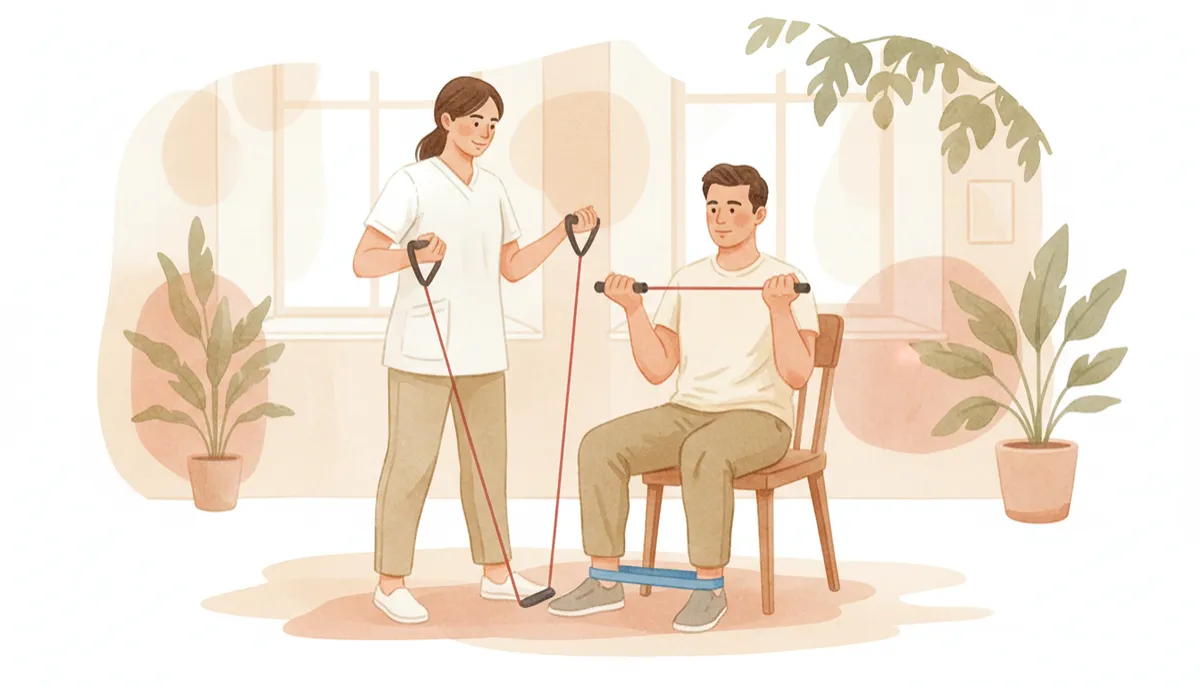
Simple exercise modifications keep workouts safe while still building strength and confidence.
⚠️ Medical Disclaimer: Always consult your healthcare provider before starting or changing an exercise program, especially if you have heart disease, uncontrolled blood pressure, recent surgery, or unexplained pain. Stop exercising and seek medical advice if you experience chest pain, severe shortness of breath, dizziness, or sudden joint swelling.
Practical Wellness Tips to Support Your Fitness Routine
Exercise is only one pillar of a healthy lifestyle. To truly stay strong and healthy, combine your workouts with simple, sustainable wellness tips:
Prioritize sleep: Aim for 7–9 hours per night. Poor sleep reduces muscle recovery and increases injury risk.
Stay hydrated: Dehydration can cause fatigue, cramps, and reduced performance. Keep water accessible throughout the day.
Fuel your body: Include lean protein, colorful vegetables, whole grains, and healthy fats to support muscle repair and energy.
Manage stress: Gentle movement such as walking, yoga, or breathing exercises can lower stress hormones and improve recovery.
💡 Professional Tip: If you are short on time, pair daily tasks with movement—calf raises while brushing your teeth, wall push-ups during work breaks, or a brisk walk while making phone calls. These small choices add up to meaningful health benefits.
How to Adapt Your Fitness Routine Through Life’s Changes
Life will not always allow for the same workouts. Travel, parenting, work stress, illness, or aging may require you to adapt your fitness routine. Instead of stopping altogether, adjust one or more of the following:
Frequency: During busy weeks, do shorter sessions more often—three 20-minute workouts instead of two 45-minute ones.
Intensity: On days you feel run-down, keep the same exercises but reduce the weight, speed, or number of sets.
Mode: Swap high-impact activities like running for lower-impact options such as cycling, swimming, or walking when joints are irritated.
By staying flexible and using smart exercise modifications, you protect your body while preserving the habit of movement. That consistency is what truly supports long-term strength, heart health, and overall wellness.
Bringing It All Together
A strong, healthy lifestyle does not require perfection. It requires paying attention to your body, applying evidence-based wellness tips, and being willing to adapt. Build your routine around regular strength training, daily movement, and supportive habits like sleep and nutrition. Modify exercises when needed, seek guidance from qualified professionals, and remember: the goal of fitness is not just to look fit for a season, but to stay strong and healthy for life.
