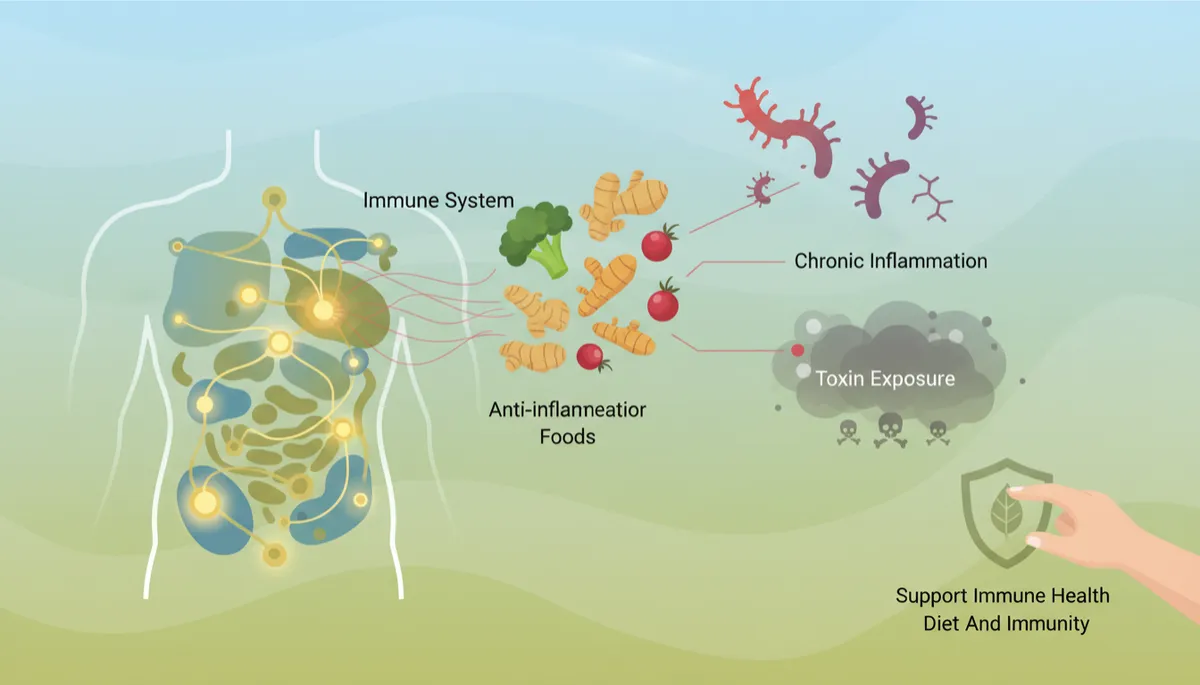
Boost Immunity: Foods, Infections & Inflammation
Health, Immune System, Diet And Immunity
How Foods, Infections, and Toxins Activate Your Immune System — And How to Calm Inflammation
Your immune system is constantly scanning for danger. The foods you eat, the infections you encounter, and the toxins you’re exposed to can either support immune health or quietly drive chronic inflammation. Understanding this balance helps you make daily choices that protect, rather than exhaust, your body.
How Everyday Triggers Activate Your Immune System
Your immune system is designed to respond quickly to threats. When it detects something harmful, it launches an inflammatory response to contain and clear the problem. In the short term, this is lifesaving. But when the triggers are constant, that same response can turn into chronic inflammation, quietly affecting joints, digestion, hormones, mood, and energy.
Foods That Fan the Flames
Highly processed foods are one of the most common modern immune triggers. Refined sugars, white flour, deep-fried foods, and processed meats can disrupt the balance of bacteria in your gut, where a large portion of the immune system lives. This imbalance signals the body to stay on high alert. For some people, specific foods such as gluten or dairy can act as irritants, especially when gut health is already compromised. Over time, this pattern links diet and immunity to issues like brain fog, weight gain, and low-grade aches and pains.
Infections: Necessary Activation, Lasting Effects
Viruses, bacteria, and other infections naturally activate your immune system. Fever, fatigue, and swollen glands are signs that your body is fighting back. Usually, inflammation settles once the infection clears. But if infections are frequent, poorly treated, or occur when you’re run down, the immune response may not fully switch off. Some people are left with lingering inflammation, contributing to long-term fatigue, muscle pain, or heightened sensitivity to other triggers.
Hidden Toxin Exposure in Daily Life
We’re also surrounded by low-level toxins: air pollution, cigarette smoke, pesticides, heavy metals, and chemicals in plastics, cleaning products, and cosmetics. Your body works hard to detoxify these substances, but repeated toxin exposure can irritate tissues and create oxidative stress. In response, the immune system releases inflammatory molecules to protect you. When exposure is ongoing, this protective reaction can become another source of chronic inflammation.

Consistent small food upgrades can lower inflammation more than drastic short-term diets.
Ways to Support Your Body and Calm Inflammation
The goal isn’t to shut down your immune system, but to create an environment where it can work efficiently without being constantly overstimulated. Simple, consistent habits make a powerful difference.
Focus on Anti-inflammatory Foods
Build your plate around anti-inflammatory foods that naturally support immune health:
Colorful fruits and vegetables rich in antioxidants, like berries, leafy greens, and cruciferous veggies.
Healthy fats from olive oil, avocado, nuts, seeds, and oily fish such as salmon or sardines.
Herbs and spices like turmeric, ginger, garlic, and rosemary, which gently calm inflammatory pathways.
At the same time, gradually reduce ultra-processed snacks, sugary drinks, and frequent deep-fried foods. This shift in diet and immunity helps your body move out of a constant “alarm” state.
Support Detox Pathways and Reduce Toxin Exposure
You can’t avoid every toxin, but you can lighten the load. Drink enough water to support kidney function, eat fiber-rich foods to help your body eliminate waste, and include cruciferous vegetables like broccoli and cauliflower to assist natural detoxification. Whenever possible, choose fragrance-free or low-chemical cleaning and personal care products, avoid smoking and secondhand smoke, and ventilate your home to reduce indoor pollutants.
Lifestyle Habits That Calm the Immune System
Gentle, regular movement improves circulation and helps clear inflammatory by-products. Aim for activities you enjoy, such as walking, yoga, or cycling. Prioritize sleep, since many immune repair processes happen at night. Finally, chronic stress is itself an inflammatory trigger, so simple practices like deep breathing, journaling, or short mindfulness breaks can meaningfully support immune health over time.
By understanding how foods, infections, and toxins interact with your immune system, you can make small, realistic changes that steadily reduce chronic inflammation. Over weeks and months, these choices add up to better resilience, steadier energy, and a body that feels more at ease in its own defenses.
