Coconut Water vs. Electrolyte Drinks: Best Hydration
Health, Hydration, Summer Beverages
Coconut Water vs. Electrolyte Drinks: Smart Heat Wave Hydration
When temperatures soar and heat waves linger, staying properly hydrated becomes more than a comfort issue—it’s a health essential. Coconut Water and Electrolyte Drinks are two of the most popular Summer Beverages people reach for, but which one is best for Heat Wave Hydration, and how should you use them safely and effectively?
Why Heat Wave Hydration Needs More Than Just Water
During a heat wave, your body loses fluid quickly through sweat, along with key minerals known as electrolytes—sodium, potassium, magnesium, and calcium. These Natural Electrolytes help regulate muscle function, nerve signals, and fluid balance. Plain water is vital, but when you’re sweating heavily, water alone may not replace what you’re losing. That’s where Coconut Water and Electrolyte Drinks can play a helpful role in your hydration strategy.
Coconut Water: Nature’s Light Electrolyte Drink
Coconut Water is the clear liquid found inside young, green coconuts. It has become a staple among Summer Beverages because it offers a gentle, naturally sweet way to support Heat Wave Hydration without feeling heavy or overly sugary. It contains a blend of Natural Electrolytes, especially potassium, along with small amounts of sodium, magnesium, and calcium.
For light to moderate activity—walking in the sun, gardening, commuting on a hot day—Coconut Water can be a refreshing option. It typically has fewer calories and less added sugar than many commercial Electrolyte Drinks, making it appealing if you’re watching your sugar intake. Just be sure to read labels: some flavored versions add sweeteners or fruit juice, which can quickly raise the sugar content.
💡 Hydration Tip: Choose unsweetened Coconut Water with a short ingredient list—ideally just coconut water and maybe vitamin C as a preservative.
Electrolyte Drinks: When You Need a Stronger Boost
Electrolyte Drinks—sports drinks, oral rehydration solutions, and electrolyte powders—are designed to replace both fluid and minerals more aggressively. They usually contain higher levels of sodium than Coconut Water, which is important because sodium helps your body retain water and supports blood pressure, especially when you’re sweating profusely in a heat wave or exercising outdoors in extreme temperatures.
However, many mainstream Electrolyte Drinks also come with a trade-off: added sugars, artificial colors, and flavorings. Sugar isn’t always bad—in endurance situations it can help with energy—but for everyday Heat Wave Hydration, you may not need that much. Look for low-sugar or no-added-sugar options, or consider electrolyte tablets and powders you can dissolve in water to control the flavor and sweetness level.
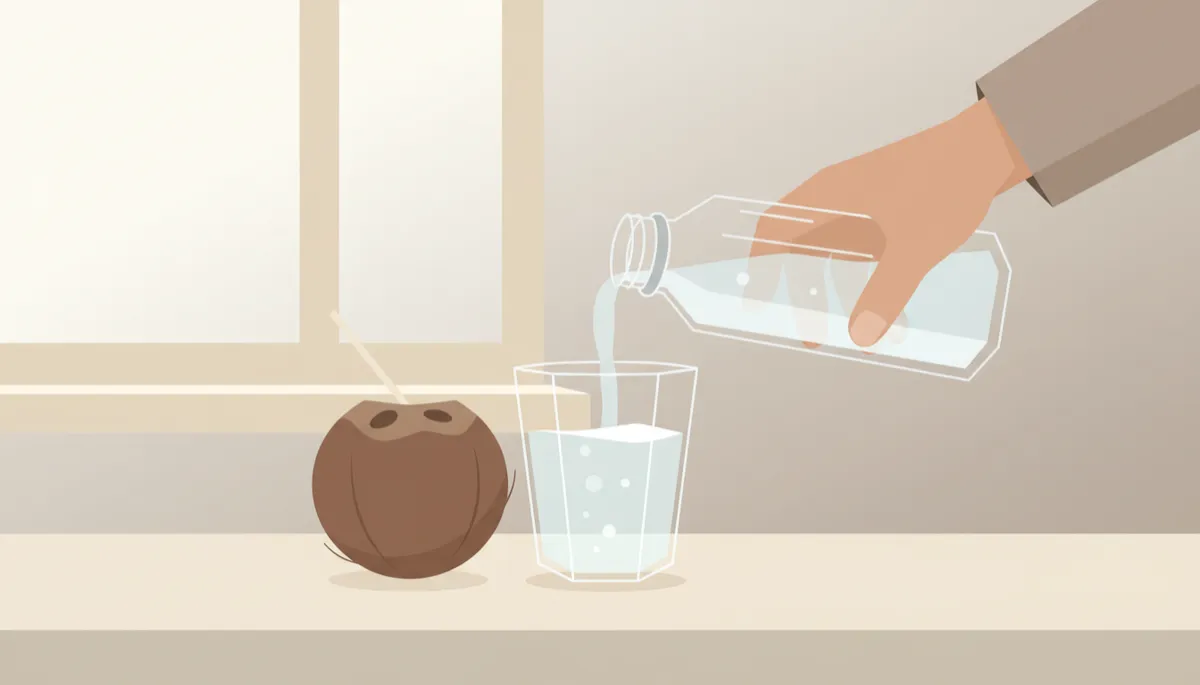
Combining water, coconut water, and electrolyte drinks can cover a range of hydration needs.
Coconut Water vs. Electrolyte Drinks: How to Choose in a Heat Wave
Instead of viewing Coconut Water and Electrolyte Drinks as competitors, it helps to think of them as tools for different situations. Both can support Summer Beverages routines that keep you safer in extreme heat, if you use them wisely alongside plain water and cooling foods like fruits and salads.
For everyday sipping at home or work: Alternate between water and Coconut Water for a light source of Natural Electrolytes without excess sugar.
For intense outdoor activity or heavy sweating: Include an Electrolyte Drink with adequate sodium, especially if you’re outside for more than an hour in high heat or humidity.
For sensitive stomachs: Coconut Water is often easier to tolerate than very sweet or acidic sports drinks, making it a gentler option during a heat wave.
Practical Hydration Tips for the Next Heat Wave
Building a simple, realistic plan is the key to effective Heat Wave Hydration. Use these practical Hydration Tips to stay ahead of thirst and reduce your risk of heat exhaustion or heatstroke:
Pre-hydrate in the morning. Start your day with a large glass of water and, if you know you’ll be outside, follow with a small serving of Coconut Water or a diluted Electrolyte Drink.
Drink steadily, not all at once. Sip fluids every 15–20 minutes rather than waiting until you feel extremely thirsty, especially in direct sun.
Watch your urine color. Pale yellow usually indicates good hydration; dark yellow can signal that you need more water and possibly more electrolytes.
Pair drinks with hydrating foods. Water-rich foods like watermelon, cucumber, oranges, and grapes complement Coconut Water and Electrolyte Drinks for a more complete hydration approach.
Be mindful of medical conditions. If you have kidney disease, heart issues, or need to limit potassium or sodium, talk with a healthcare professional before dramatically increasing Coconut Water or Electrolyte Drinks.
Building Your Personal Summer Beverage Routine
The best Heat Wave Hydration plan is the one you’ll actually follow. Stocking your fridge with chilled water, Coconut Water, and a few thoughtfully chosen Electrolyte Drinks gives you options for different situations. Rotate these Summer Beverages based on how active you are, how hot it feels, and how much you’re sweating. By combining Natural Electrolytes from coconut water with targeted electrolyte formulas when needed, you can support your body through even the most relentless heat waves—without relying on sugary sodas or dehydrating alcoholic drinks.
Listen to your body, plan ahead, and keep these Hydration Tips in mind. With the right balance of Coconut Water, Electrolyte Drinks, and plain water, you can stay safer, cooler, and more energized all summer long.
