Common Nutrient Deficiencies and Their Impact
Health, Nutrient Deficiencies
Hidden Gaps in Your Diet: The Most Common Nutrient Deficiencies Explained
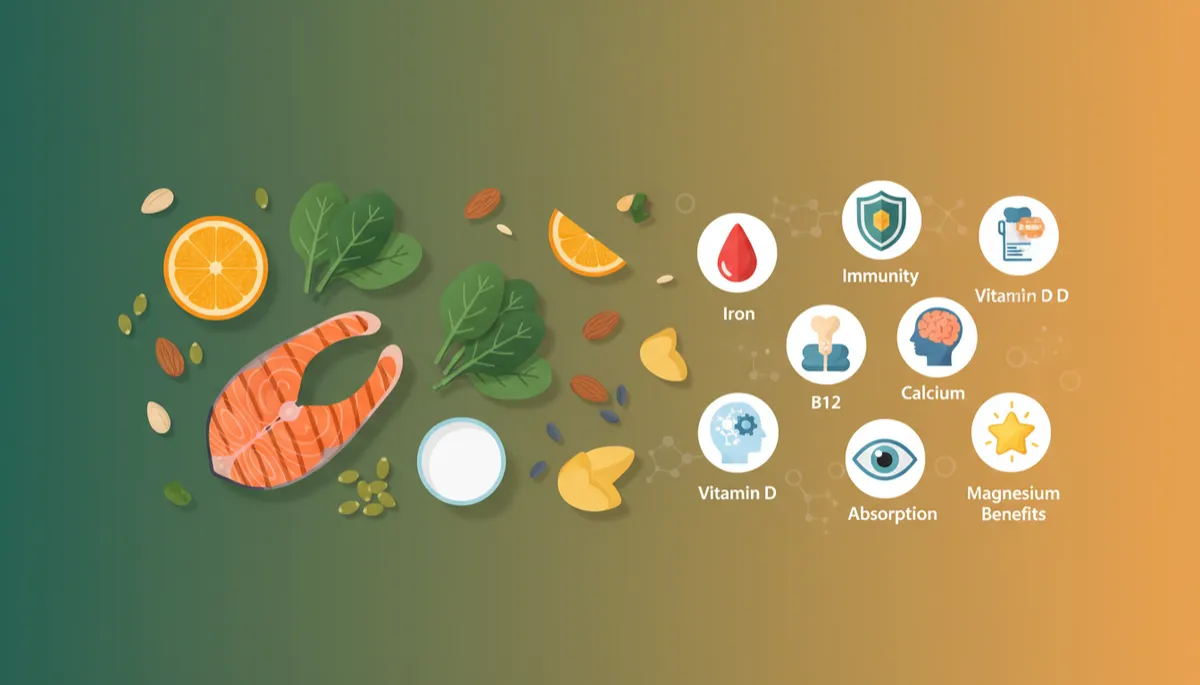
Iron, iodine, vitamin D, vitamin B12, calcium, vitamin A, and magnesium are among the most widespread Nutrient Deficiencies worldwide, quietly affecting energy, mood, bones, and even vision. Understanding the signs and how to eat to prevent them can make a dramatic difference to your daily wellbeing.
Iron and Iodine: Tiny Minerals, Big Impact
Among all Nutrient Deficiencies, iron and iodine are especially common. Typical Iron Deficiency Symptoms include fatigue, pale skin, shortness of breath, headaches, and weakened immunity. Women of childbearing age, frequent blood donors, and people with heavy periods are at higher risk. Good sources include organ meats like liver, red meat, poultry, beans, lentils, and leafy greens such as spinach and kale, especially when paired with vitamin C–rich foods to boost absorption.
Iodine is essential for thyroid health and metabolism. Deficiency can cause fatigue, weight changes, feeling cold, and in severe cases, goiter or developmental problems in children. Iodized salt, dairy, eggs, and seafood are practical everyday sources, making them easy additions to a balanced diet.
Vitamin D, Calcium, and Magnesium: Your Bone and Muscle Trio
Vitamin D works hand in hand with calcium and magnesium to support strong bones, muscles, and immunity. Low vitamin D can lead to bone pain, frequent infections, low mood, and in the long term, bone loss. Key Vitamin D Sources include fatty fish such as salmon, mackerel, and sardines, fortified dairy or plant milks, and egg yolks. However, your skin also makes vitamin D from sunlight, which is why people with limited sun exposure often need supplements.
Calcium Rich Foods include dairy products like milk, yogurt, and cheese, as well as leafy greens, tofu set with calcium, and canned fish with soft bones. Deficiency can contribute to brittle nails, muscle cramps, and osteoporosis over time. Magnesium quietly supports over 300 reactions in the body, including muscle relaxation, nerve function, and sleep quality. Key Magnesium Benefits range from steadier energy to reduced muscle tension. Nuts, seeds, whole grains, and leafy greens are excellent sources, making them easy to weave into daily meals.

Simple swaps like nuts, seeds, and fatty fish can steadily correct common deficiencies.
Vitamin B12 and Vitamin A: Brain, Blood, and Vision Support
Vitamin B12 is crucial for red blood cells and brain health. Poor B12 Absorption can occur in older adults, people with gut or absorption issues, and those taking certain medications. Deficiency symptoms include numbness or tingling, memory problems, mood changes, and anemia. Because B12 is found mainly in animal foods such as meat, fish, dairy, and eggs, vegetarians and especially vegans often need fortified foods or supplements to maintain healthy levels.
Vitamin A supports vision, skin, and immune function. Deficiency can lead to dry eyes, night blindness, and increased infections. Preformed vitamin A is abundant in organ meats and dairy, while bright orange and dark green vegetables—like carrots, sweet potatoes, and leafy greens—provide beta-carotene, which the body converts into vitamin A.
Building a Balanced Diet and When Supplements Help
The most reliable way to prevent Nutrient Deficiencies is a varied, balanced diet centered on whole foods. Aim to regularly include:
Fatty fish for vitamin D, B12, iodine, and healthy fats
Leafy greens for iron, calcium, magnesium, and vitamin A precursors
Organ meats occasionally for concentrated iron, vitamin A, and B12
Dairy or fortified alternatives for calcium, iodine, B12, and vitamin D
A mix of nuts and seeds for magnesium, healthy fats, and trace minerals
Even with a thoughtful diet, some people benefit from targeted supplements. Vegetarians, vegans, and those with digestive or absorption issues may need B12, iron, or vitamin D support. Older adults often absorb fewer nutrients from food and can be prone to low B12, vitamin D, and calcium. Anyone with limited sun exposure—such as office workers, people who cover their skin, or those living in northern climates—should discuss vitamin D testing with a healthcare professional.
If you notice persistent fatigue, frequent illness, bone or muscle pain, or changes in vision or mood, talk to your doctor. A simple blood test can reveal hidden gaps, and with the right mix of whole foods and smart supplementation, you can restore balance and feel more energized, resilient, and clear-headed every day.
