Exercise Importance with GLP-1 Medications
Health, Weight Management, GLP-1 Medications
GLP-1 Medications and Movement: Why Exercise Still Matters with Ozempic, Wegovy, and Mounjaro
Powerful GLP-1 medications are changing how we treat obesity and type 2 diabetes, but new research suggests they may also unintentionally change how much we move. Here’s what that means for your long-term health and weight goals.
What Are GLP-1 Medications Like Ozempic, Wegovy, and Mounjaro?
Over the last few years, medications such as Ozempic and Wegovy (both semaglutide) and Mounjaro (tirzepatide) have become household names. Originally developed to help people with type 2 diabetes manage blood sugar, they are now widely used for weight loss and long-term weight management. These drugs belong to a class called GLP-1 receptor agonists, which mimic a natural hormone that helps regulate appetite, blood sugar, and digestion.
Large clinical trials have shown that GLP-1 medications can lead to significant weight loss. For example, tirzepatide, the active ingredient in Mounjaro, has produced some of the largest weight reductions seen in medication studies, often outperforming older GLP-1 drugs in head-to-head comparisons. Newer agents and combinations are pushing those results even further, with some trials reporting average losses of 15–20% of body weight or more.
For many people living with obesity or diabetes, these medications can be life-changing: lowering blood sugar, reducing the risk of heart disease, and helping ease joint pain and sleep problems as weight comes down. But like any powerful tool, they work best when you understand both their strengths and their limits.
A Surprising Finding: GLP-1 Users May Move Less
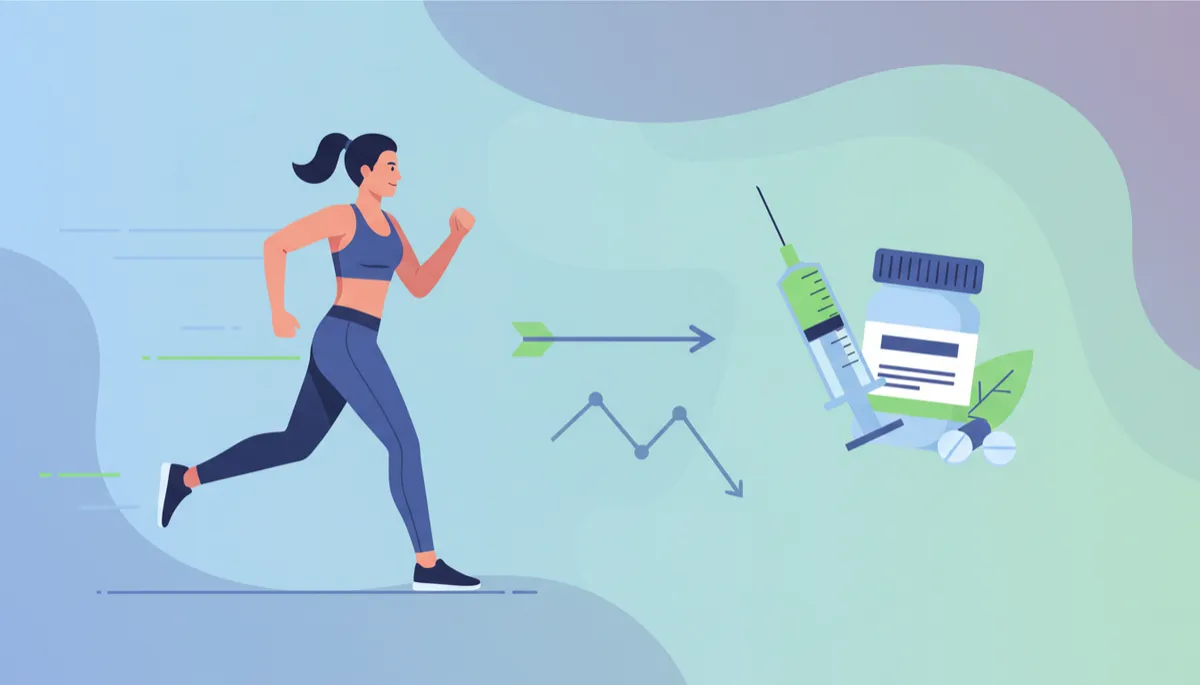
Recently, researchers began asking an important question: What happens to people’s daily activity levels once they start a GLP-1 medication? Early evidence suggests something unexpected. In a recent study of adults who began a GLP-1 drug for weight loss or diabetes, participants appeared to engage in less physical activity after starting the medication, even as the number on the scale went down.
Why might that happen? There are several possible reasons:
Feeling like the drug is “doing the work.” When weight starts dropping without major lifestyle changes, it’s easy to assume exercise is optional or less important.
Common side effects. Nausea, stomach upset, or fatigue—especially in the first weeks—can make workouts feel less appealing, at least in the short term.
Appetite and energy shifts. Eating much less can sometimes mean taking in fewer nutrients and calories than your body is used to, which may temporarily lower energy and motivation to move.
Researchers are still exploring the full picture, but this pattern is a reminder that medication alone doesn’t automatically create a healthier lifestyle. Weight loss from a syringe or pill isn’t the same as building a stronger heart, healthier muscles, and resilient bones through movement.

Pairing GLP-1 treatment with consistent movement protects muscle, heart health, and mood.
Why Exercise Still Matters—Even When the Scale Is Dropping
It can be tempting to relax once you see progress from a GLP-1 drug. But long-term studies of weight management show a clear pattern: people who combine medication with regular physical activity tend to maintain more of their weight loss and enjoy better overall health than those who rely on medication alone.
Here’s what exercise adds that medication simply can’t replace:
Protects muscle mass. Rapid weight loss often includes some loss of muscle. Strength training and even brisk walking help preserve lean tissue, which keeps your metabolism higher and makes it easier to maintain weight loss over time.
Supports heart and blood vessels. GLP-1 drugs can improve blood sugar and some heart risk factors, but cardio exercise directly strengthens your heart, improves circulation, and lowers blood pressure.
Boosts mood and mental health. Movement releases feel-good chemicals in the brain and can ease anxiety and depression—benefits that medication alone doesn’t guarantee.
Builds habits that outlast the prescription. Many people regain a large portion of the weight they lost once they stop GLP-1 therapy. Having an exercise routine in place is one of the strongest defenses against rebound weight gain.
💡 Key Takeaway: Think of GLP-1 medication as a powerful assist, not a replacement for movement. The drug can help you lose weight; exercise helps you keep it off and stay healthy.
How to Stay Active When You’re on a GLP-1 Medication
If you’ve started Ozempic, Wegovy, Mounjaro, or a similar medication—or are considering it—there are practical ways to protect your activity levels and make the most of your treatment:
Start small and be consistent. Aim first for simple, realistic goals: a 10–15 minute walk after dinner, stretching in the morning, or taking the stairs instead of the elevator. Consistency beats intensity, especially when you’re adjusting to a new medication.
Respect side effects—but don’t give up. If you feel nauseated or tired, it’s okay to scale back. Choose gentler activities, like slow walks or light yoga, on those days. As your body adapts, gradually increase your effort again.
Add strength training twice a week. Bodyweight exercises, resistance bands, or light dumbbells can help you maintain muscle while the medication helps reduce fat. This combination is powerful for long-term weight stability.
Track movement, not just weight. A simple step counter, fitness watch, or even a daily activity log can remind you that your health is about more than the scale. Celebrate increases in steps, stamina, or strength alongside pounds lost.
Work with your healthcare team. Ask your doctor, diabetes educator, or a physical therapist what level of activity is safe for you, especially if you have heart disease, joint problems, or other conditions.
The Bottom Line: Medication Plus Movement for Lasting Results
GLP-1 medications like Ozempic, Wegovy, and Mounjaro are powerful tools for managing diabetes and achieving meaningful weight loss. Research from 2026 and beyond shows just how effective these drugs can be. At the same time, emerging studies suggest that some people become less physically active after starting them—a shift that could quietly undermine long-term health and weight maintenance.
If you’re using or considering a GLP-1 medication, it’s worth asking yourself not only, “How much weight am I losing?” but also, “How much am I moving?” The most successful long-term approach pairs the appetite and blood-sugar benefits of medication with the whole-body benefits of regular exercise. Together, they don’t just change the number on the scale—they change how you feel, function, and live every day.
