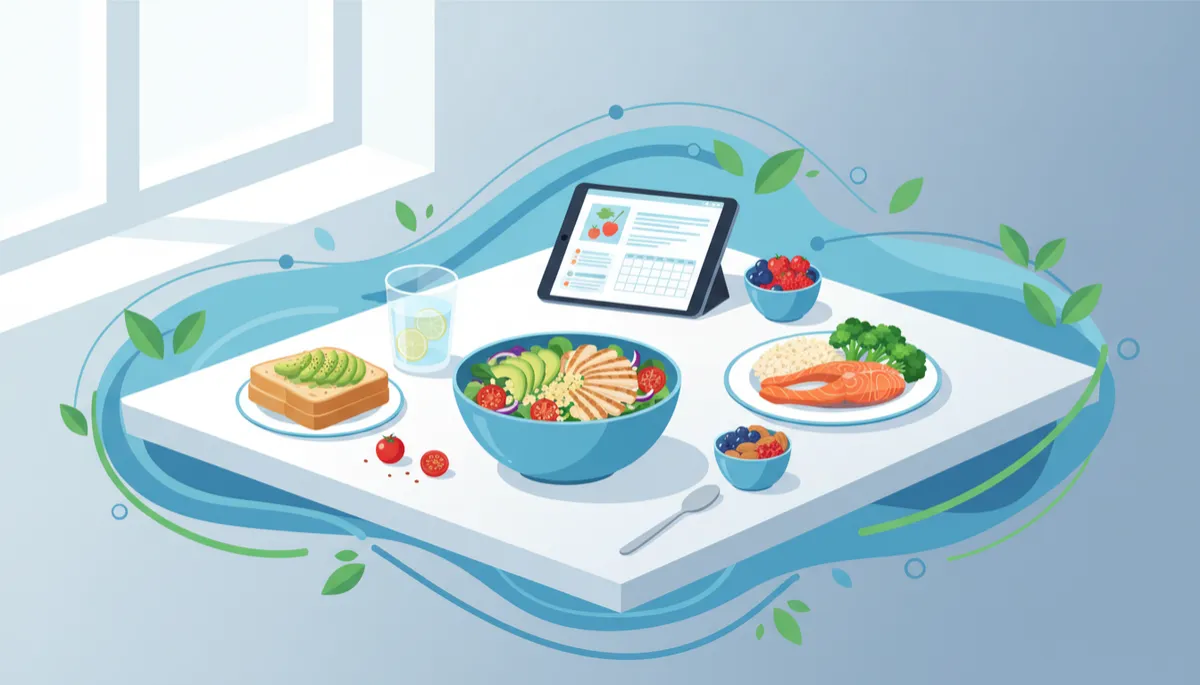
GLP-1 Diet: Foods to Eat for Diabetes Management
Health, GLP-1 Diet, Diabetes Management
What to Eat When You’re on GLP-1 Drugs: A Practical Food Guide
Starting a GLP-1 medication can be a powerful step toward better blood sugar control and sustainable weight loss. But to feel your best, the right GLP-1 diet matters just as much as the prescription. The foods you choose can ease side effects, support diabetes management, and help you build healthy habits that last long after the scale moves.
How GLP-1 Medications Change the Way You Eat
GLP-1 drugs slow how quickly food leaves your stomach and help you feel full sooner. That can be a big win for healthy eating and appetite control, but it also means heavy, greasy, or very large meals are more likely to cause nausea, reflux, or bloating. A smart GLP-1 diet focuses on smaller portions, steady energy, and gentle digestion.
💡 Pro Tip: Eat slowly and stop at the first sign of fullness. For many people on GLP-1s, “one more bite” is no longer your friend.
Core Nutritional Guidelines for a GLP-1 Diet
While there’s no single “GLP-1 meal plan” everyone must follow, a few nutritional guidelines can make the transition smoother and support both weight loss foods and blood sugar control:
Prioritize lean protein at every meal to protect muscle as you lose weight.
Choose high-fiber carbohydrates—like oats, beans, and vegetables—over refined starches and sugary snacks.
Include small portions of healthy fats to stay satisfied without overloading your stomach.
Drink water regularly and sip throughout the day to help with digestion and fullness.
Best Weight Loss Foods to Focus On
GLP-1 medications already reduce appetite, so pairing them with strategic weight loss foods can amplify your results. Look for foods that are nutrient-dense, high in protein or fiber, and relatively low in calories:
Lean proteins: chicken breast, turkey, white fish, salmon, tofu, tempeh, Greek yogurt, cottage cheese, eggs or egg whites.
High-fiber carbohydrates: oats, quinoa, brown rice, lentils, black beans, chickpeas, barley, and whole-grain bread in modest slices.
Non-starchy vegetables: leafy greens, broccoli, cauliflower, peppers, cucumbers, zucchini, green beans, and tomatoes add volume for very few calories.
Healthy fats (in small amounts): avocado slices, olive oil, nuts, seeds, and nut butters can make meals more satisfying without needing a large serving.
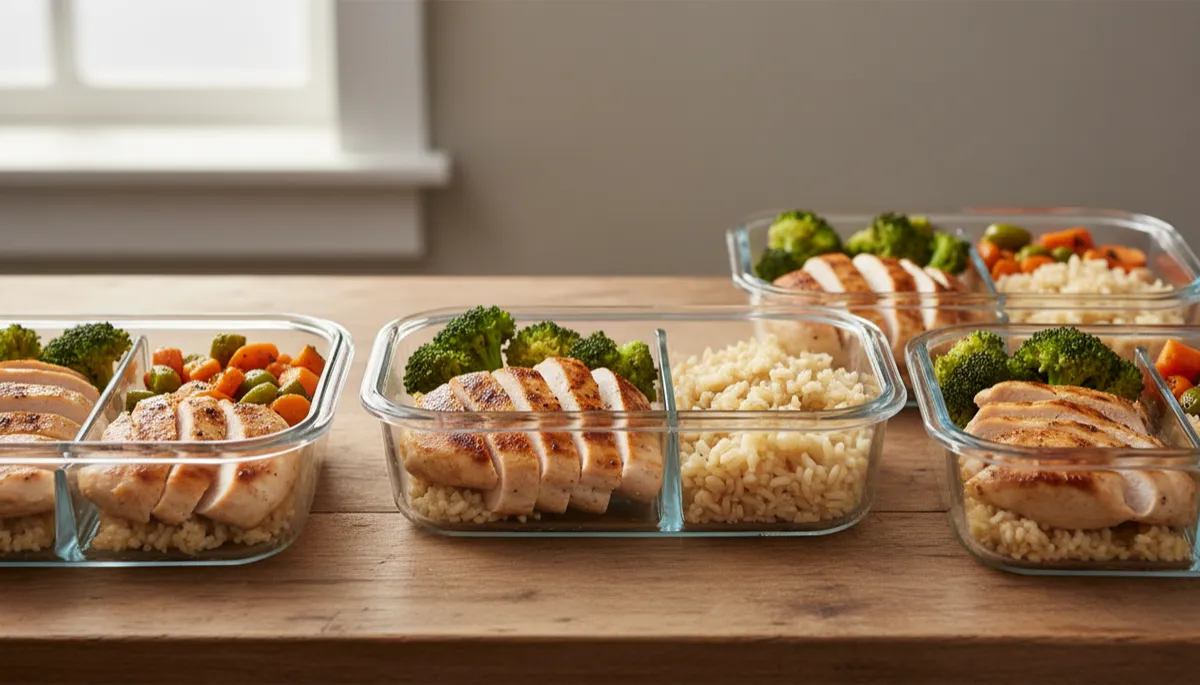
Simple meal prep supports consistent portions and easier choices on GLP-1 therapy.
Eating for Diabetes Management While on GLP-1s
For people with type 2 diabetes, GLP-1 medications can improve blood sugar by increasing insulin release when you eat and lowering glucagon. Your food choices still matter. A healthy eating pattern that stabilizes blood sugar will make your medication work more effectively and reduce glucose swings.
Aim to pair carbohydrates with protein or fat, rather than eating carbs alone. For example, choose an apple with a small handful of nuts instead of just fruit, or whole-grain toast with eggs instead of jam. This slows digestion and supports smoother diabetes management.
⚠️ Important: If you use insulin or certain other diabetes medications along with a GLP-1, ask your healthcare team whether doses should be adjusted as your appetite and intake change.
Practical Meal Planning Ideas for GLP-1 Users
Thoughtful meal planning can help you avoid skipping meals or grabbing whatever is easiest when appetite is low. You may find three smaller meals and one light snack work better than large, heavy plates. Consider these simple GLP-1-friendly combinations:
Breakfast: Greek yogurt with berries and a sprinkle of oats; or scrambled eggs with spinach and a slice of whole-grain toast.
Lunch: Mixed greens topped with grilled chicken, beans, colorful vegetables, and a light olive oil dressing; or a quinoa bowl with roasted vegetables and tofu.
Dinner: Baked salmon with brown rice and steamed broccoli; or turkey chili with beans and a side salad.
Snacks (if needed): a small piece of cheese with whole-grain crackers, hummus with carrot sticks, or half a banana with peanut butter.
Foods to Limit for Comfort and Consistency
You don’t have to eat perfectly, but some foods are more likely to trigger discomfort on GLP-1 medications. Many people do better when they limit:
Very greasy or fried foods, which can worsen nausea and slow digestion even more.
Sugary drinks, sweets, and refined carbs that spike blood sugar and add calories without fullness.
Large portions of red or processed meats, which can feel heavy and are less supportive of heart health.
Building a Sustainable Way of Eating on GLP-1s
The most effective GLP-1 diet is not a strict rulebook, but a pattern of healthy eating you can live with. Use your medication’s appetite control as an opportunity to tune into hunger and fullness, experiment with new recipes, and lean on whole, minimally processed foods. With smart meal planning and flexible nutritional guidelines, GLP-1 medications can be a bridge to long-term habits that support weight, blood sugar, and overall health—long after the prescription bottle is gone.
