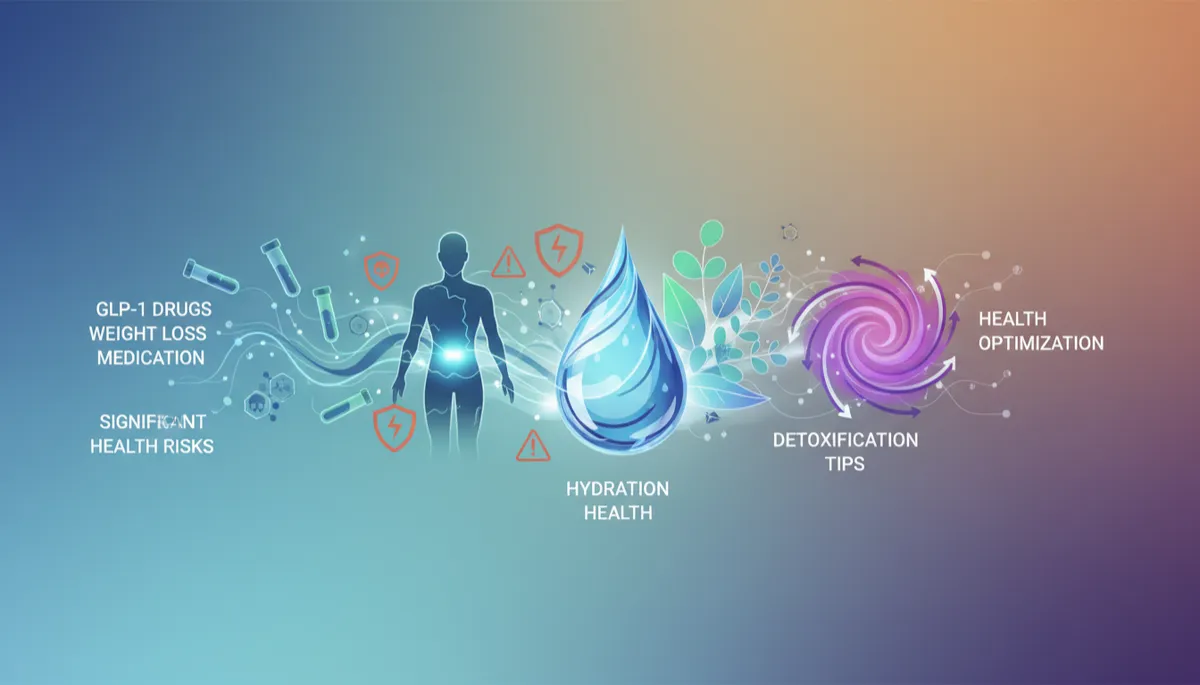
GLP-1 Drugs: Fat Loss Risks & Hydration Tips
GLP-1 Drugs, Fat Loss Risks, Hydration Health, Detoxification Tips, Health Optimization
GLP-1 Drugs and Fat Loss: The Hidden Risks of Ignoring Hydration and Detox
GLP-1 drugs are transforming weight loss, but rapid fat loss can quietly strain your body if hydration and detoxification are not carefully supported. Understanding the full picture helps you use weight loss medication more safely and effectively.
What Are GLP-1 Drugs and Why Are They So Popular?
GLP-1 drugs, originally designed for type 2 diabetes, mimic a natural gut hormone called glucagon-like peptide-1. These medications slow stomach emptying, reduce appetite, and help regulate blood sugar. As a result, many people experience significant weight loss, even when other approaches have failed. Names you may recognize include semaglutide and tirzepatide, often discussed simply as “weight loss medication.”
For individuals who have struggled with weight for years, GLP-1 drugs can feel like a breakthrough. But any tool powerful enough to drive rapid fat loss also carries potential downsides. The less glamorous side of these medications involves nausea, constipation, dehydration, and increased demands on your liver and kidneys as your body processes both the drug and the byproducts of fat breakdown.
Fat Loss Risks: Why “Faster” Is Not Always “Better”
When GLP-1 drugs work well, fat loss can be rapid. On the surface, that sounds ideal. Beneath the surface, however, your body is doing intense cleanup work. As fat cells shrink, they release stored substances, including hormones and environmental chemicals that have accumulated over time. Your detox systems—primarily the liver, kidneys, lymphatic system, skin, and gut—must process and eliminate these compounds efficiently.
If your detoxification pathways are sluggish, or if you are dehydrated, this internal “spring cleaning” can overwhelm your system. People may notice fatigue, headaches, brain fog, constipation, or feeling generally unwell, and assume it is “just the medication.” In reality, these can be signs that fat loss risks are showing up because your body lacks the basic resources it needs to handle rapid change. Ignoring these warning signs can undermine both your health and your long-term results.
Hydration Health: The Foundation of Safer Weight Loss Medication Use
Hydration health is one of the most overlooked aspects of using GLP-1 drugs. These medications commonly reduce appetite and sometimes thirst. You may simply forget to drink, or feel too nauseated to reach for water. At the same time, your kidneys are working harder to filter out metabolic waste products from fat loss and medication breakdown. Dehydration thickens your blood, strains your kidneys, and can worsen side effects like dizziness, constipation, and fatigue.
Aim for pale-yellow urine as a simple daily hydration checkpoint.
Sip water consistently throughout the day rather than chugging large amounts at once, which can worsen nausea on GLP-1 drugs.
Add a pinch of sea salt or an electrolyte mix if you feel lightheaded, crampy, or are sweating heavily.
💡 Pro Tip: Set reminders on your phone or pair each injection day with a “hydration check-in” to keep water intake intentional, not accidental.
Detoxification Tips to Support Your Body on GLP-1 Drugs
You do not need extreme cleanses or complicated protocols to support detox. Your body is already designed to detoxify; your job is to remove obstacles and provide raw materials. Thoughtful detoxification tips can make your GLP-1 journey more comfortable and sustainable.
Prioritize daily bowel movements. Constipation is common with weight loss medication. Increase fiber gradually from vegetables, berries, chia seeds, and ground flax, and stay active to keep things moving. If you are not eliminating, you are not detoxing effectively.
Support your liver gently. Include foods like leafy greens, beets, cruciferous vegetables (broccoli, cauliflower, Brussels sprouts), garlic, and lemon. These provide nutrients involved in natural detox pathways without harsh “flushes.”
Move your body daily. Even light walking stimulates lymphatic flow, circulation, and sweating, all of which help transport waste products out of tissues and toward elimination routes.
Protect your sleep. Overnight is when many repair and detox processes peak. Aim for 7–9 hours in a dark, cool room, and limit late-night alcohol or heavy meals that burden your system.
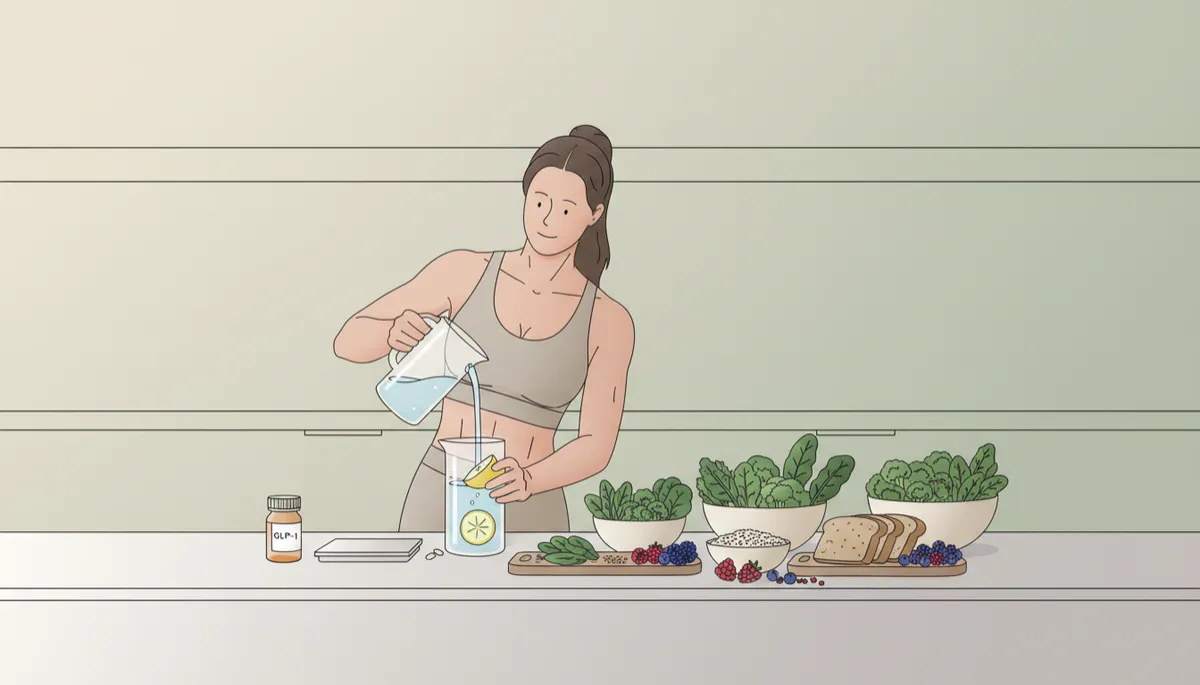
Simple daily choices like water, fiber, and greens make GLP-1 use safer.
Health Optimization: Using GLP-1 as a Tool, Not a Crutch
Health optimization with GLP-1 drugs means looking beyond the number on the scale. Ask yourself: Are my energy levels improving? Is my digestion regular? Am I sleeping better? Do I feel mentally clearer? These are signs that your hydration health, detoxification capacity, and overall resilience are keeping pace with fat loss.
At the same time, use this period as a training ground for habits that will sustain you long after you stop the medication. Build a rhythm of balanced meals with adequate protein, colorful produce, and healthy fats. Practice mindful eating, gentle movement you actually enjoy, and stress-management techniques like deep breathing or short walks outside. When weight loss medication is paired with these foundations, it becomes a catalyst for lasting change rather than a short-term fix.
The Bottom Line: Respect the Process, Protect Your Body
GLP-1 drugs can be powerful allies in your weight journey, but they are not magic. Rapid fat loss brings real physiological demands and potential fat loss risks, especially if hydration and detoxification are neglected. By prioritizing water intake, gentle detox support, and overall health optimization, you give your body the resources it needs to handle change gracefully. Before starting or adjusting any weight loss medication, partner with a qualified healthcare professional and make a plan that honors not just your goal weight, but your long-term wellbeing.
