GLP-1 Withdrawal: Managing Weight Regain
Health, GLP-1 Withdrawal, Long-term Weight Management
What Happens When You Stop Taking GLP-1? Understanding Weight Regain and Your Long-Term Options
GLP-1 medications have helped many people lose weight and improve blood sugar, but few conversations focus on what happens next. If you are thinking about stopping, or have already paused treatment, it is important to understand GLP-1 withdrawal, appetite changes, weight regain, and how to plan for sustainable, long-term weight management.
Why Your Appetite Returns After Stopping GLP-1
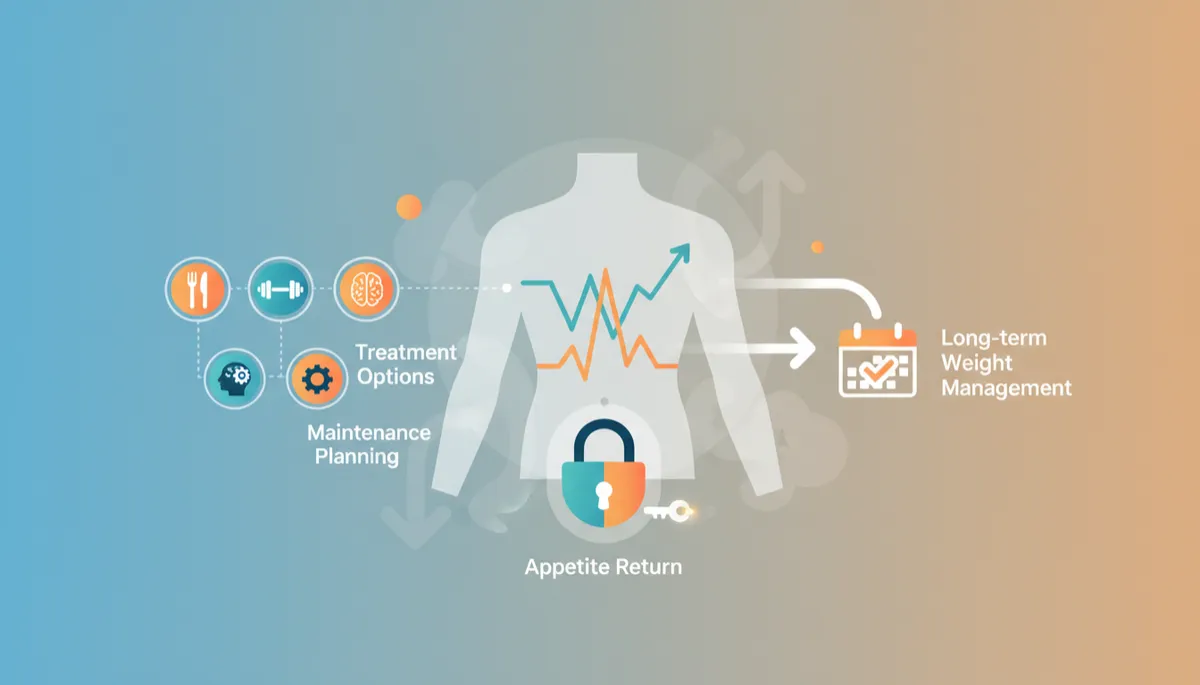
GLP-1 medications work partly by slowing digestion and sending stronger “I’m full” signals to your brain. When you stop taking them, those signals fade. This is not a character flaw or lack of willpower; it is your biology resetting to its usual pattern. Many people notice a clear appetite return within days to weeks: getting hungry sooner, thinking about food more often, and feeling less satisfied with the same portions that once felt filling on treatment.
That shift can feel like GLP-1 withdrawal, even though it is not the same as withdrawal from addictive substances. Instead, you are experiencing the loss of a powerful tool that was helping regulate hunger. Recognizing this ahead of time allows you to prepare practical strategies rather than feeling blindsided or discouraged when your appetite changes.
Understanding Weight Regain: What the Research Shows
When appetite returns, weight regain is common. Studies show that many people regain a significant portion of the weight they lost after stopping GLP-1 therapy, especially if they stop suddenly and have no maintenance plan. Your body is wired to defend its highest weight, so when calories increase, it responds efficiently, often storing more than before.
This does not mean your progress was pointless. Even if some weight comes back, time spent at a lower weight can still benefit your blood pressure, blood sugar, and joints. But it does highlight why long-term weight management has to be viewed as an ongoing process, not a one-time “fix.” Planning for possible weight regain helps you respond early rather than feeling like you have “failed” and giving up entirely.
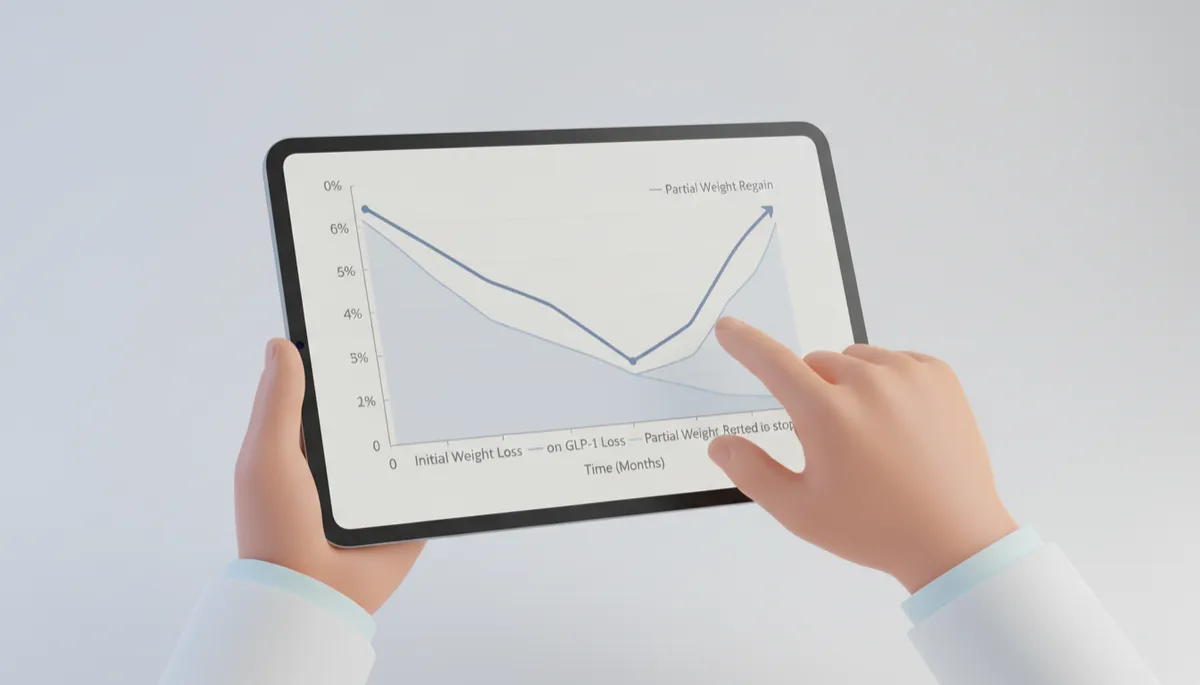
Anticipating some regain allows you and your clinician to adjust your plan early.
Is Continued Treatment the Right Choice for You?
For many people, obesity is a chronic, relapsing condition, similar to high blood pressure or high cholesterol. In that context, continued treatment with a GLP-1 can be appropriate and safe under medical supervision. Some individuals stay on a stable dose long term; others work with their clinician to adjust to the lowest effective dose that maintains health benefits and minimizes side effects or cost.
If you are considering stopping due to side effects, access, or personal preference, talk with your provider before making changes. They can help you weigh risks and benefits, explore alternative treatment options (such as other medications, behavioral programs, or in some cases surgery), and design a gradual taper rather than an abrupt stop, which may soften appetite return and reduce the chance of rapid weight regain.
Clinician-Guided Maintenance Planning for the Long Term
The most important step is clinician-guided maintenance planning before you come off GLP-1 therapy. A thoughtful plan goes beyond “eat less and move more.” It considers your medical history, lifestyle, triggers, and support system. Together, you and your clinician might:
Set realistic weight ranges instead of a single “goal number.”
Create an eating pattern that emphasizes protein, fiber, and regular meals to help manage hunger after GLP-1 withdrawal.
Plan physical activity that feels doable and sustainable, not extreme.
Schedule follow-up visits or virtual check-ins to catch early signs of weight regain and adjust your approach.
💡 Key Takeaway: You do not have to navigate appetite return, weight changes, or new treatment options alone. A structured maintenance plan with your clinician can turn a stressful transition into a manageable next chapter in your health journey.
Ultimately, stopping GLP-1 is not the end of your story with weight and health. Whether you continue medication, switch therapies, or focus on lifestyle-based maintenance, the goal is the same: a long-term plan that respects your biology, supports your mental well-being, and keeps you moving toward better health over time.
