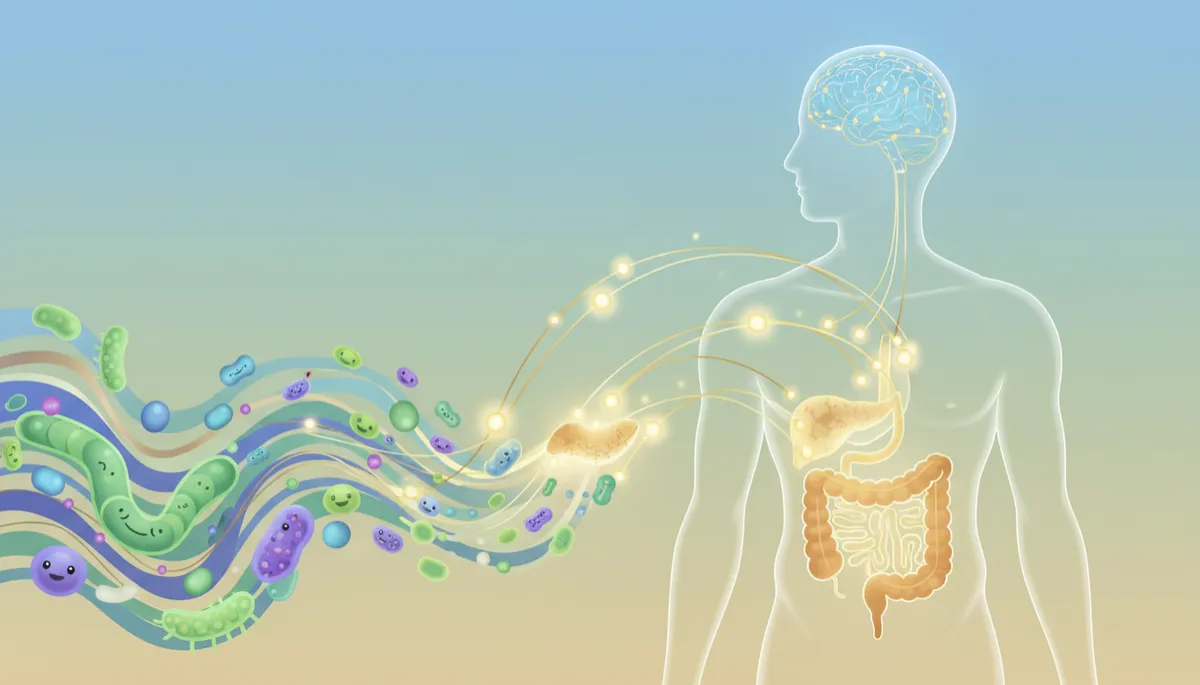
Gut Microbiome & GLP-1: Boost Appetite Control
Health, Gut Microbiome, GLP-1, Metabolism
Your Gut Microbiome and GLP-1: How a Healthy Gut Can Support Natural Appetite Control
New weight-loss medications have made GLP-1 a household term, but your body has been making this powerful hormone all along. One of the biggest influences on your natural GLP-1 production lives inside your digestive system: your gut microbiome. Understanding this connection can help you make everyday choices that support appetite, metabolism, and long-term health.
What Is GLP-1 and Why Should You Care?
GLP-1 (glucagon-like peptide-1) is a hormone made mainly in your intestines after you eat. It helps:
Signal fullness to your brain, so you naturally stop eating sooner
Slow how quickly food leaves your stomach, keeping you satisfied longer
Support healthy blood sugar by helping your pancreas release insulin at the right time
The medications you hear about on the news are synthetic versions or mimics of GLP-1. But your own gut cells can produce GLP-1 every single day. The question is: are you creating an environment that encourages your body to make enough of it?
Meet Your Gut Microbiome: The Tiny Community With a Big Job
Your gut microbiome is the vast community of bacteria, fungi, and other microbes living in your intestines. Far from being just “germs,” many of these organisms are essential partners in your health. They help break down food, produce vitamins, train your immune system, and communicate with your brain and hormones.
When this ecosystem is diverse and balanced, it tends to support healthy digestion, mood, and metabolism. When it’s out of balance — for example, after repeated antibiotic use, a very low-fiber diet, or chronic stress — it can contribute to issues like bloating, cravings, blood sugar swings, and weight gain.
How Gut Bacteria Influence Your Natural GLP-1 Production
So where does GLP-1 fit in? Many of your gut bacteria feast on the fibers you can’t digest yourself. As they break these fibers down, they produce substances called short-chain fatty acids (SCFAs), such as acetate, propionate, and butyrate. These SCFAs don’t just sit in your gut; they act as powerful signaling molecules.
SCFAs can stimulate the specialized cells in your intestine that release GLP-1. In simple terms, when you feed your gut bacteria the right foods, they “thank you” by making compounds that help your body release more of its own GLP-1. This can support better appetite control and steadier blood sugar after meals.
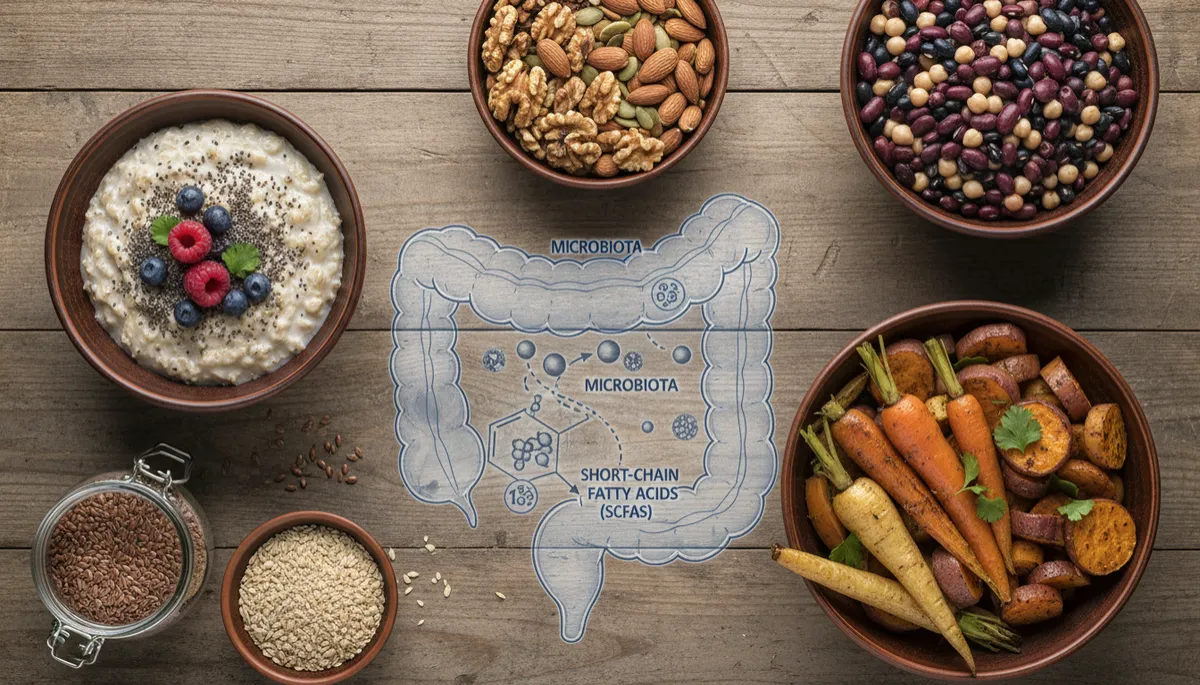
Fiber-rich meals give gut bacteria the fuel they need to support GLP-1.
Research also suggests that certain bacterial groups are linked to higher GLP-1 levels and healthier weight, while others may be associated with inflammation, insulin resistance, and lower GLP-1. Although science is still uncovering the details, one pattern is clear: a more diverse, plant-rich diet tends to favor the microbes that support metabolic health.
💡 Simple takeaway: You don’t control which bacteria you were born with, but you do control what you feed them. Your daily food choices can nudge your microbiome toward a pattern that supports natural GLP-1 production.
Everyday Habits to Support Your Gut and GLP-1 Naturally
You don’t need a prescription to start working with your body’s own GLP-1. Here are practical, consumer-friendly ways to support a healthier microbiome and, in turn, your natural hormone balance:
Prioritize plant fibers. Aim to fill at least half your plate with vegetables, fruits, beans, lentils, and whole grains. Different plants feed different microbes, so variety matters.
Include fermented foods. Yogurt with live cultures, kefir, sauerkraut, kimchi, and miso can introduce beneficial bacteria and support diversity in your gut community.
Go easy on ultra-processed foods. Diets high in refined sugars, white flour, and additives tend to reduce microbiome diversity and may interfere with healthy GLP-1 signaling over time.
Mind your meal rhythm. Constant snacking can keep your gut in “processing mode” and may disrupt normal hormone patterns. Many people feel better with distinct meals and fewer late-night snacks.
Protect your sleep and stress levels. Poor sleep and chronic stress can alter your microbiome and appetite hormones, making it harder to listen to natural fullness cues.
Medications vs. Microbiome: It’s Not Either–Or
For some people, GLP-1–based medications are an important medical tool, especially in managing obesity or type 2 diabetes. But even if you’re using these drugs, your gut microbiome still matters. A healthier gut environment may support better overall metabolic health, digestion, and long-term weight maintenance — regardless of whether you’re on medication now or might consider it in the future.
⚠️ Important: Never stop or change prescribed medication based on diet or supplements alone. Always discuss any changes with your healthcare provider, especially if you have diabetes or take GLP-1 drugs.
Turning Science Into Daily Choices
The science linking the gut microbiome and GLP-1 is still evolving, but the message for everyday consumers is empowering: by caring for your gut microbes, you’re also supporting the hormones that help regulate appetite, blood sugar, and weight. You don’t need perfection — you just need patterns that, over time, favor a thriving gut ecosystem.
Think of each meal as a chance to “vote” for the kind of microbiome you want. More colorful plants, more fiber, more fermented foods, and fewer ultra-processed options are simple, realistic steps that can make a real difference. Combined with good sleep, stress management, and regular movement, these habits help your body do what it’s designed to do: naturally balance hunger, fullness, and energy — with your gut microbes and GLP-1 working quietly in the background on your behalf.
