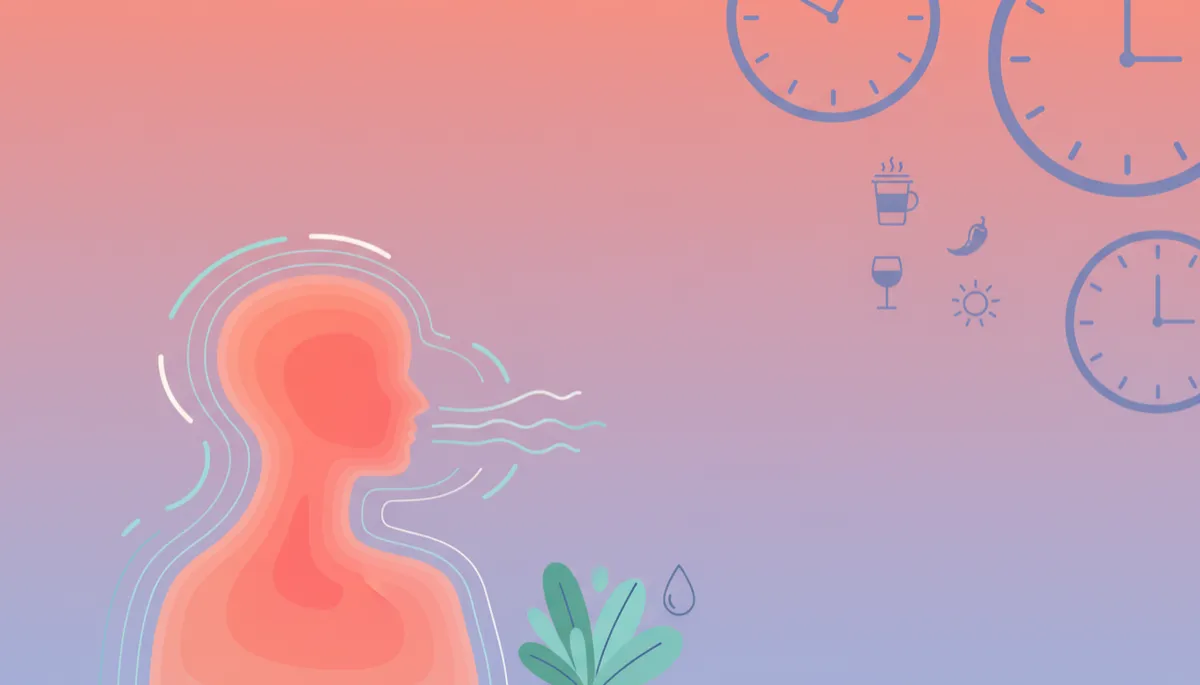
Hot Flashes 101: Triggers and Solutions
Health, Menopause, Hot Flashes
Hot Flashes 101: Triggers, Timing, and What Actually Works
If you’ve ever gone from perfectly comfortable to suddenly drenched in sweat and burning up for no obvious reason, you’re not imagining it. Hot flashes are one of the most common symptoms of hormonal change, especially around menopause, and they can be frustrating, embarrassing, and exhausting. The good news: understanding what sets them off, when they tend to strike, and what truly helps can give you back a sense of control.
What Exactly Is a Hot Flash?
A hot flash is a sudden wave of heat that usually starts in the chest, neck, or face and can spread through the upper body. Your skin may flush, your heart may race, and you might break out in a sweat—sometimes followed by chills once it passes. Many people also feel a sense of anxiety or “rush” while it’s happening. Episodes typically last from 30 seconds to about 10 minutes, and they can happen a few times a week or many times a day.
Common Triggers: Why Hot Flashes Flare Up
Hormonal shifts—especially changing estrogen levels—are the underlying cause for most midlife hot flashes. But what actually sets off an episode can be surprisingly specific. Learning your personal triggers is one of the most powerful steps toward relief. Some of the most common include:
Heat and stuffy environments: Warm rooms, hot showers, saunas, or sitting in a car in the sun can push your already sensitive internal “thermostat” over the edge.
Spicy foods and hot drinks: Chili peppers, curries, and steaming coffee or tea can dilate blood vessels and raise body temperature, triggering a flush in some people.
Alcohol and caffeine: Wine, cocktails, and even small amounts of caffeine may make hot flashes more frequent or intense, especially in the evening.
Stress and strong emotions: Anxiety, anger, or feeling rushed can activate your nervous system, which is closely linked to hot flash pathways in the brain.
Tight or synthetic clothing: Clothes that trap heat—especially around the chest and neck—can make it harder for your body to cool down once a flash starts.
Smoking and certain medications: Smoking is linked with more severe hot flashes, and some medicines (like some antidepressants or opioids) may play a role as well.
💡 Pro Tip: Keep a simple “hot flash diary” for a couple of weeks. Jot down when a flash happens, what you were eating, drinking, wearing, and feeling. Patterns often appear quickly.
Timing: When Hot Flashes Tend to Hit Hardest
Hot flashes are closely tied to the menopause transition, but they don’t follow the same script for everyone. Understanding timing—both across the years and within a single day—can help you plan ahead and reduce disruption.
Across the menopause journey
Perimenopause: This transition phase, when periods become irregular, is often when hot flashes first appear. They may come and go or spike around certain months.
Menopause and early postmenopause: The year after your final period and the few years that follow are common peak times for frequency and intensity.
Later years: For many, hot flashes gradually fade. For others, they may linger at a lower level for a decade or more. Long-lasting symptoms are common enough to be normal.
Within a single day or night
Many people notice that hot flashes follow a daily rhythm. Evening and nighttime episodes—often called night sweats—are especially common and can disrupt sleep. Late afternoon, after a long, stressful day or a heavy meal, is another frequent window. Paying attention to when your flashes show up can help you adjust your routine, clothing, and bedroom environment to minimize their impact.
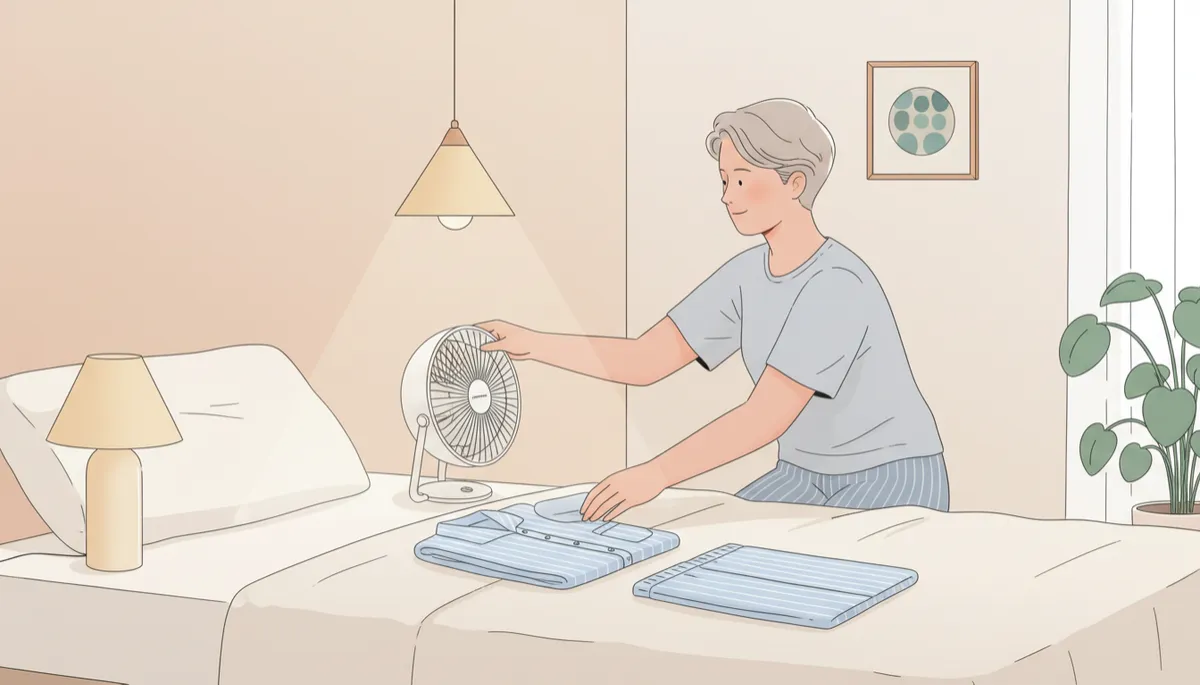
Small changes to your evening routine can dramatically cut nighttime hot flashes.
What Actually Works: Evidence-Based Relief Strategies
There’s no single magic fix for everyone, but several approaches have solid evidence or strong real-world support. Often, combining lifestyle changes with medical options (when appropriate) brings the best relief.
Lifestyle habits that make a real difference
Cooling strategies: Dress in layers, choose breathable fabrics like cotton or linen, use a fan, and keep a cool drink nearby. At night, try a lighter duvet, moisture-wicking sheets, or a cooling pillow.
Trigger management: Once you identify your big triggers—such as red wine, very spicy food, or hot baths—experiment with cutting back or changing timing to see if symptoms ease.
Stress reduction: Deep breathing, yoga, mindfulness, or even a short daily walk can calm your nervous system. Some people find that practicing slow, steady breathing at the first sign of a flash can shorten it.
Healthy weight and movement: Regular physical activity and maintaining a stable, healthy weight are linked with fewer and less intense hot flashes in many studies.
Medical options and supplements
For moderate to severe hot flashes, lifestyle changes may not be enough on their own. That’s where medical treatments can help—always in conversation with a healthcare professional who understands your health history.
Hormone therapy: Estrogen therapy (sometimes combined with progesterone) is one of the most effective treatments for hot flashes in eligible individuals. It’s not right for everyone, so risks and benefits should be reviewed with your clinician.
Non-hormonal medications: Certain antidepressants, seizure medications, and newer non-hormonal drugs have been shown to reduce hot flashes for some people, especially when hormones are not an option.
Supplements and herbal remedies: Products like black cohosh, soy isoflavones, and others are widely marketed, but evidence is mixed and quality varies. Always discuss supplements with your provider to avoid interactions or side effects.
⚠️ Important: Sudden, intense sweating or flushing can sometimes signal other health issues, especially if paired with chest pain, shortness of breath, or dizziness. Seek medical care right away if something feels different or alarming.
Putting It All Together
Hot flashes can feel random and overwhelming, but they’re not a personal failing—and you’re far from alone. By learning your triggers, noticing the timing of your symptoms, and combining practical habits with treatments that actually work for you, it’s possible to dial down both the frequency and the frustration. Keep asking questions, track what you notice, and don’t hesitate to bring your experiences to a trusted healthcare professional. Relief may not be instant, but step by step, you can build a plan that lets you focus less on the next flare and more on living your life.
