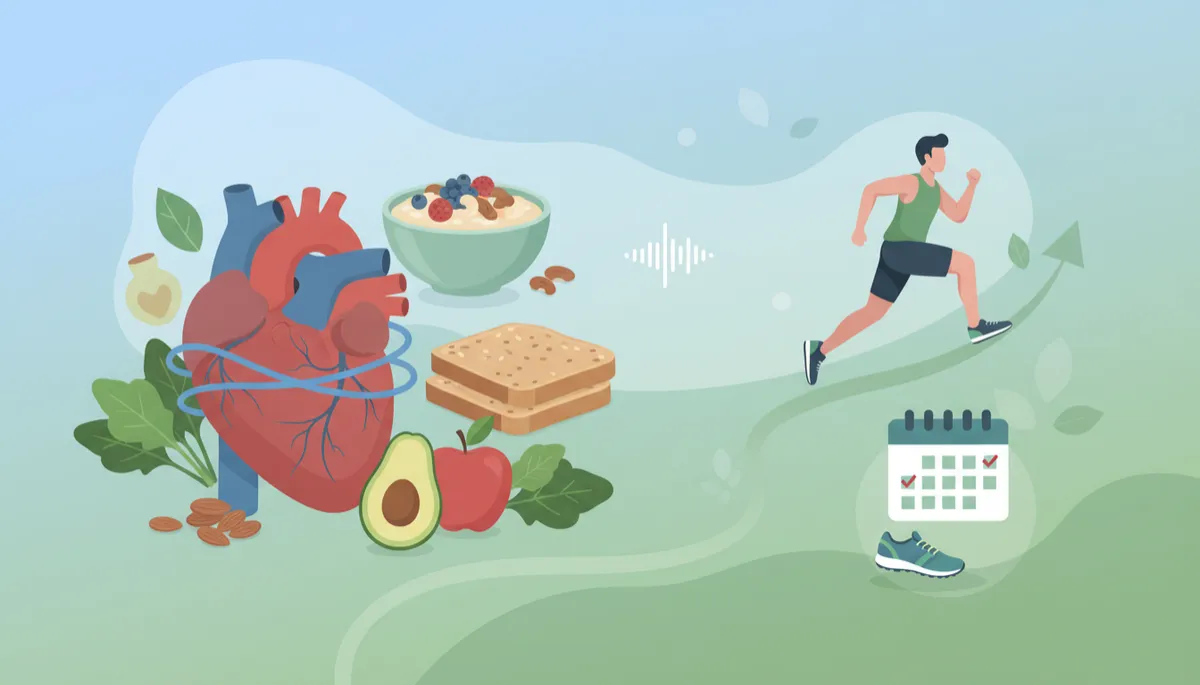
Lower LDL Cholesterol Naturally: Effective Lifestyle Tips
Health, Heart Health Tips, Lifestyle Changes
Lower LDL Cholesterol Naturally: Lifestyle Changes That Really Work
Medication isn’t the only way to improve your LDL Cholesterol. With a few focused lifestyle changes, many people can bring their numbers down and protect their hearts in a sustainable, long‑term way.
Understanding LDL Cholesterol and Heart Health
LDL Cholesterol is often called the “bad” cholesterol because high levels can contribute to plaque buildup in your arteries. Over time, this raises the risk of heart attack and stroke. The good news is that targeted heart health tips—especially around food and movement—can significantly improve your numbers, sometimes without any medication at all.
1. Reduce Saturated Fats and Eliminate Trans Fats
One of the most powerful lifestyle changes is to reduce saturated fats and avoid trans fats altogether. Saturated fats, found in fatty cuts of red meat, full‑fat dairy, butter, and many fried foods, tend to raise LDL Cholesterol. Trans fats—often listed as “partially hydrogenated oils” on labels—are even more harmful, boosting LDL while lowering protective HDL cholesterol.
You don’t have to give up flavor to protect your heart. Try simple swaps:
Choose skinless poultry or fish instead of processed or fatty red meats.
Replace butter with olive, avocado, or canola oil when cooking.
Limit pastries, packaged snacks, and deep‑fried fast foods that often hide trans fats.
💡 Pro Tip: Scan ingredient lists for “partially hydrogenated” oils—if you see them, find a different product.
2. Fill Your Plate With Soluble Fiber Foods
Soluble fiber acts like a sponge in your digestive system, binding to cholesterol and helping remove it from the body before it enters your bloodstream. Eating more soluble fiber foods is a natural, gentle way to lower LDL Cholesterol while supporting digestion and steady energy levels.
Excellent sources include:
Oats and barley – Start your day with oatmeal topped with fruit and nuts.
Legumes – Beans, lentils, and chickpeas make hearty soups, salads, and stews.
Nuts and seeds – A small handful of almonds or walnuts is a heart‑smart snack.
Fruits – Apples, pears, berries, and citrus are rich in soluble fiber and antioxidants.
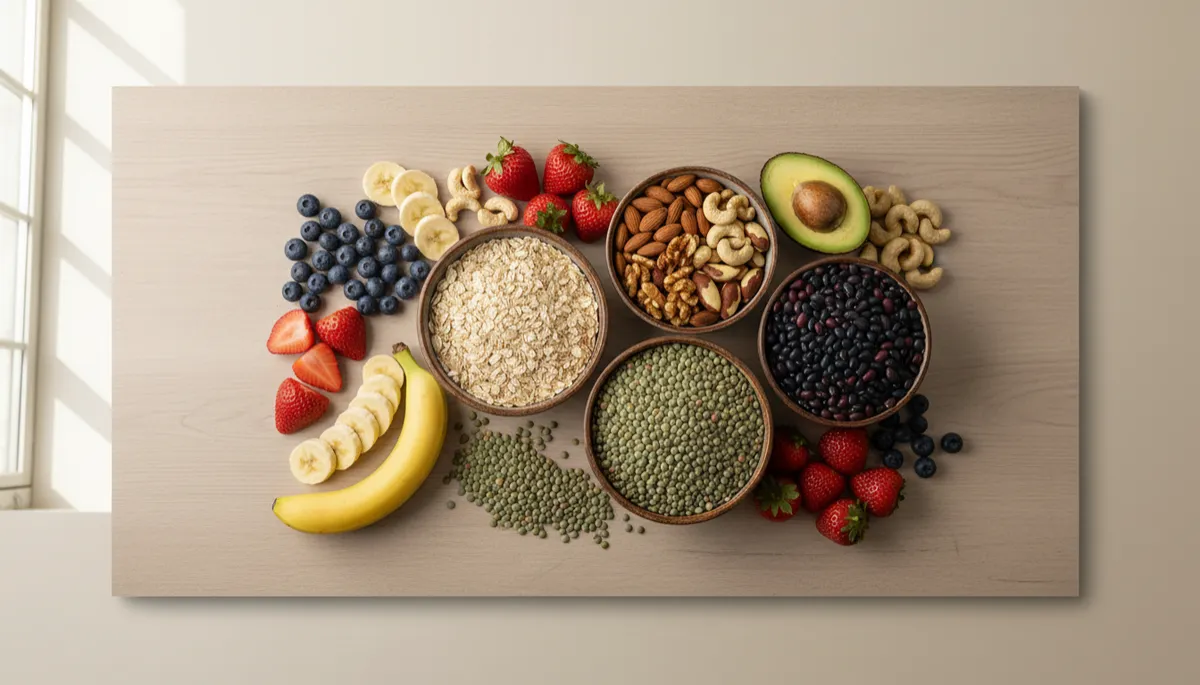
A fiber-rich plate can gently lower LDL while keeping you full longer.
3. Aim for 150 Minutes of Exercise Each Week
Movement is a powerful partner to nutrition. Regular physical activity helps raise HDL (the “good” cholesterol) and can lower LDL and triglycerides. Health organizations recommend at least 150 minutes of moderate‑intensity activity per week—about 30 minutes a day, five days a week—to unlock meaningful exercise benefits for your heart.
Moderate activities include brisk walking, cycling on level ground, light jogging, swimming, or even dancing. If 30 minutes at once feels overwhelming, break it into three 10‑minute walks throughout the day. The key is consistency: choose activities you enjoy so you’re more likely to stick with them.
💡 Pro Tip: Schedule your workouts like appointments and track your minutes to stay motivated.
Bringing It All Together for Better Heart Health
Lowering LDL Cholesterol without medication is often possible when you combine these lifestyle changes: reduce saturated and trans fats, build meals around soluble fiber foods, and move your body for at least 150 minutes each week. Small, steady improvements in what you eat and how you live can add up to powerful protection for your heart over time.
Always talk with your healthcare provider before making big changes, especially if you already take cholesterol medication or have other health conditions. With personalized guidance and these practical heart health tips, you can create a realistic plan to support your heart—one meal, one walk, and one day at a time.
