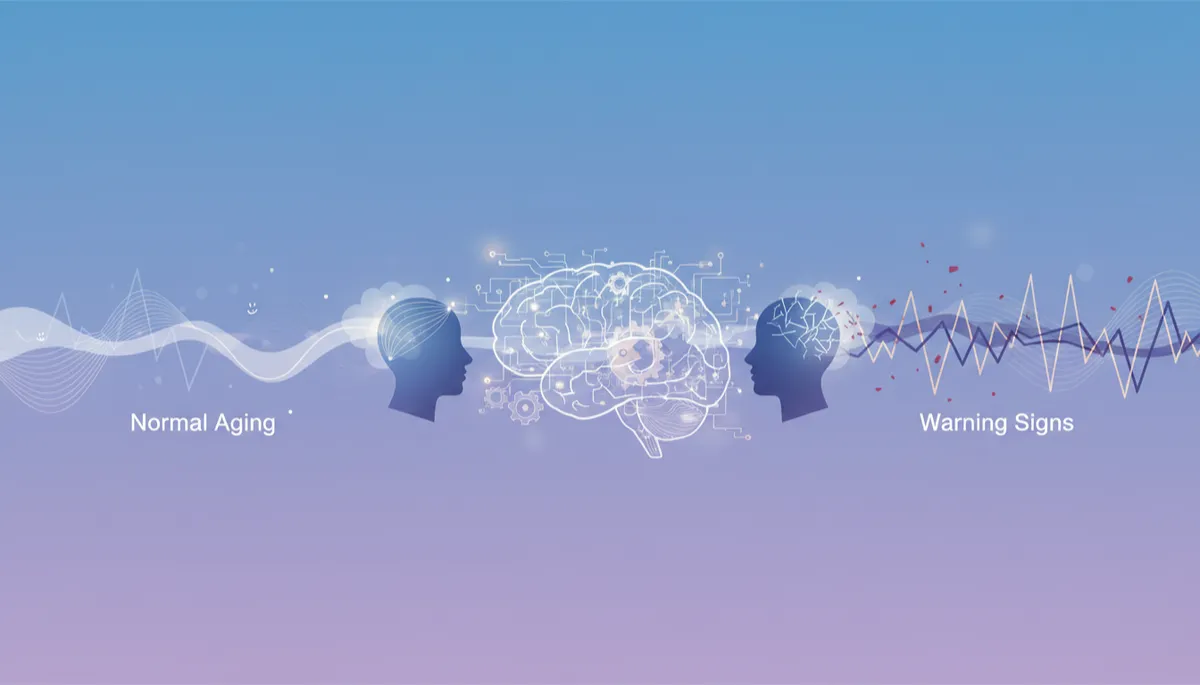
Memory Changes After 50: Aging vs. Warning Signs
Health, Memory Changes, Aging Brain
Memory Changes After 50: Normal Aging vs. Warning Signs
If you’re over 50 and noticing more “Where did I put my keys?” moments, you’re not alone. Some memory changes are a natural part of normal aging, but others can signal something more serious. Understanding the difference can help you protect your brain health and know when to seek help.
How the Aging Brain Naturally Changes
As we get older, the brain changes just like the rest of the body. This doesn’t automatically mean cognitive decline or serious memory loss. In fact, many people stay mentally sharp well into their 70s, 80s, and beyond. Still, the aging brain tends to process information a bit more slowly, and it can be harder to juggle several tasks at once.
With age, certain brain regions shrink slightly, blood flow can decrease, and the connections between brain cells may not fire quite as quickly as they used to. These shifts can affect attention, speed of thinking, and how easily you retrieve information. The good news is that the brain remains adaptable; learning new skills, staying socially engaged, and being physically active all support a healthy, aging brain.
Memory Changes That Are Part of Normal Aging
Not every memory slip is a sign of cognitive decline. Some memory changes are simply a normal consequence of getting older. Recognizing these can ease a lot of anxiety:
Occasionally forgetting where you put everyday items like glasses or keys, but finding them later.
Taking a little longer to learn new technology, names, or routines, but eventually remembering them with practice.
Occasionally searching for a common word in conversation and having it “come to you” a few moments later.
Walking into a room and briefly forgetting why you went there, but remembering after a bit of thought.
These types of memory changes are usually mild, infrequent, and don’t interfere with your ability to live independently. You can still manage your finances, medications, appointments, and daily tasks, even if you rely more on calendars, reminders, or lists. Using tools to support your memory is not a failure; it’s a smart strategy for an aging brain.
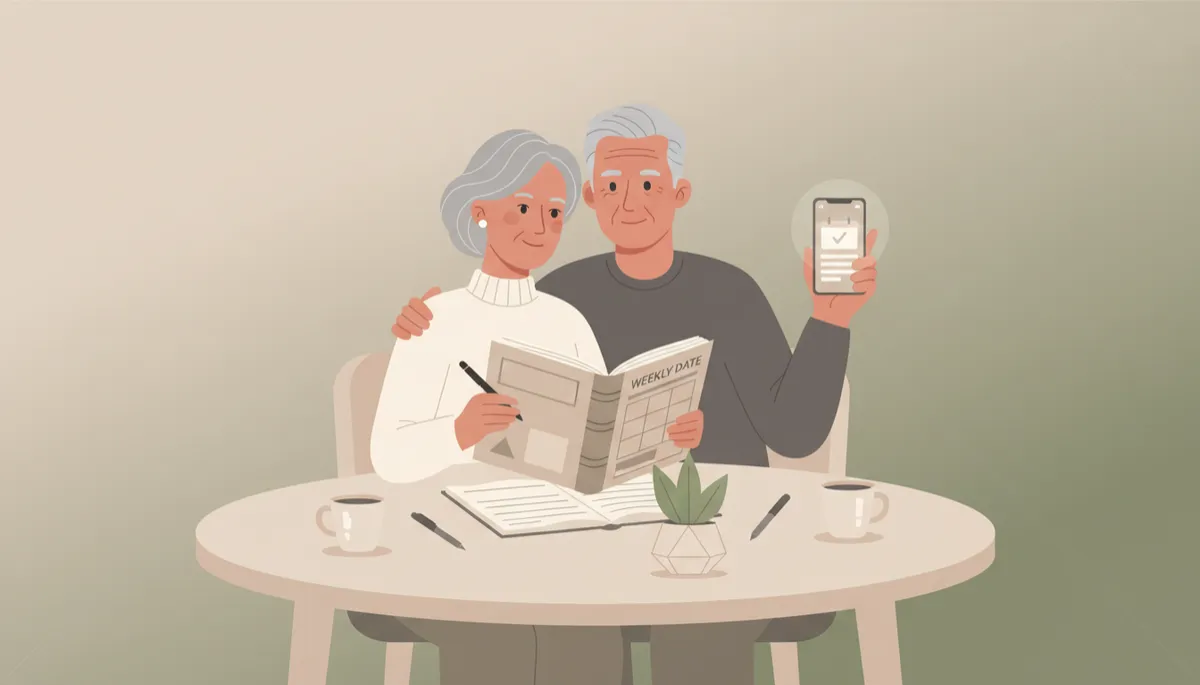
Simple tools like planners and phone alerts can offset normal age-related memory changes.
When Memory Loss Becomes a Warning Sign
While normal aging involves mild forgetfulness, more serious memory loss can signal underlying cognitive decline or conditions like mild cognitive impairment or dementia. The key difference is impact: are changes starting to disrupt daily life? The following warning signs should prompt a conversation with a healthcare professional:
Frequently forgetting recent conversations, events, or appointments and not remembering them later, even when prompted.
Repeating the same questions or stories several times in a short period without realizing it.
Getting lost in familiar places or struggling to follow well-known routes when driving or walking.
Difficulty managing finances, paying bills, or keeping track of medications when this was previously easy.
Trouble following a recipe, set of instructions, or familiar game rules due to confusion or poor concentration.
📌 Key Takeaway: Normal aging may slow your recall, but serious cognitive decline often affects your ability to function independently or safely.
Other Clues Beyond Memory: Behavior and Mood Changes
Not all warning signs are strictly about memory. Changes in personality, mood, or judgment can also point to cognitive decline. For example, someone who was always careful with money might suddenly make risky purchases or fall for scams. A usually social person may withdraw from friends or lose interest in hobbies because following conversations or activities feels too hard.
Depression, anxiety, sleep problems, and certain medications can also cause memory issues. That’s why it’s important not to assume the worst. A medical evaluation can help distinguish between normal aging, treatable conditions, and more serious memory loss.
Protecting Your Memory After 50
While you can’t stop time, you can support your aging brain. Research suggests that healthy lifestyle choices may slow cognitive decline and reduce the risk of serious memory loss. Helpful habits include:
Moving regularly—walking, dancing, swimming, or any activity that raises your heart rate most days of the week.
Eating a balanced diet rich in vegetables, fruits, whole grains, healthy fats, and lean proteins.
Challenging your mind with reading, puzzles, classes, or learning a new language or instrument.
Staying socially connected through friends, family, volunteering, or community groups.
💡 Pro Tip: Treat brain health like heart health—small, consistent habits over time make the biggest difference.
When to Talk to a Doctor About Memory Concerns
If you or someone close to you notices ongoing changes in memory, thinking, or behavior, don’t ignore them. Make an appointment with a primary care provider or a memory specialist. Early evaluation can identify reversible causes, provide support, and, if needed, begin treatment sooner rather than later.
Remember: some memory changes are a normal part of aging, but persistent, worsening memory loss and clear warning signs are not. Paying attention to your brain health after 50—and acting when something feels off—is one of the most important investments you can make in your future independence and quality of life.
