Are Ultra-Low Calorie Diets Safe and Effective?
Nutrition, Weight Loss, Dieting
Are Ultra-Low Calorie Diets Safe or Effective? What You Really Need to Know
Ultra-low calorie diets promise dramatic, rapid weight loss. But they often come with intense hunger, powerful cravings, and a mind that can’t stop thinking about food. If you’ve tried one—or are considering it—understanding the real risks, benefits, and healthier alternatives can protect both your body and your relationship with eating.
What Counts as an Ultra-Low Calorie Diet?
Most adults need somewhere between 1,600 and 2,400 calories a day, depending on age, sex, body size, and activity level. An ultra-low calorie diet usually means eating around 800 calories per day or less—sometimes much less. These plans may involve meal replacement shakes, tiny portions, or very strict food lists that cut out entire food groups.
They’re different from a moderate calorie deficit, where you might reduce your intake by 300–500 calories a day. Ultra-low calorie diets are more extreme, more rigid, and much harder to sustain in real life.
Are Ultra-Low Calorie Diets Safe?
Safety depends heavily on who is doing the diet and how it’s supervised. In medical settings, very low calorie diets may be used short term for people with obesity and specific health conditions, under close monitoring by doctors and dietitians. Even then, they’re treated as temporary tools, not long-term lifestyles.
For most people trying them alone at home, ultra-low calorie plans carry real risks:
Nutrient deficiencies – It’s difficult to get enough protein, vitamins, minerals, and healthy fats on so few calories, which can affect immunity, hair and skin, and energy levels.
Loss of muscle mass – When calories are extremely low, your body may break down muscle for energy, which can slow metabolism and weaken your body over time.
Hormonal disruption – Very low intake can affect menstrual cycles, thyroid function, and hunger hormones, leaving you feeling cold, tired, and irritable.
Mental health strain – Constant hunger and strict rules can increase anxiety, guilt, and obsessive thoughts about food, especially if you have a history of disordered eating.
⚠️ Warning: If you have diabetes, heart disease, a history of eating disorders, or take regular medications, do not start an ultra-low calorie diet without medical supervision.
Do Ultra-Low Calorie Diets Actually Work?
In the short term, yes—they can produce rapid weight loss. If you dramatically cut calories, the scale will usually move quickly, especially in the first couple of weeks. But that early drop is often a mix of water, stored carbohydrates, and some muscle, not just body fat.
The bigger question is: do they work long term? That’s where the picture changes. Many people find that:
The diet is too restrictive to maintain beyond a few weeks or months.
Intense hunger and cravings eventually lead to overeating or bingeing.
Lost weight is regained—sometimes with extra—once normal eating resumes.
In other words, ultra-low calorie diets are usually effective for fast weight loss, but not effective for sustainable weight management. A plan that only “works” while you’re suffering through it doesn’t truly work for your real life.

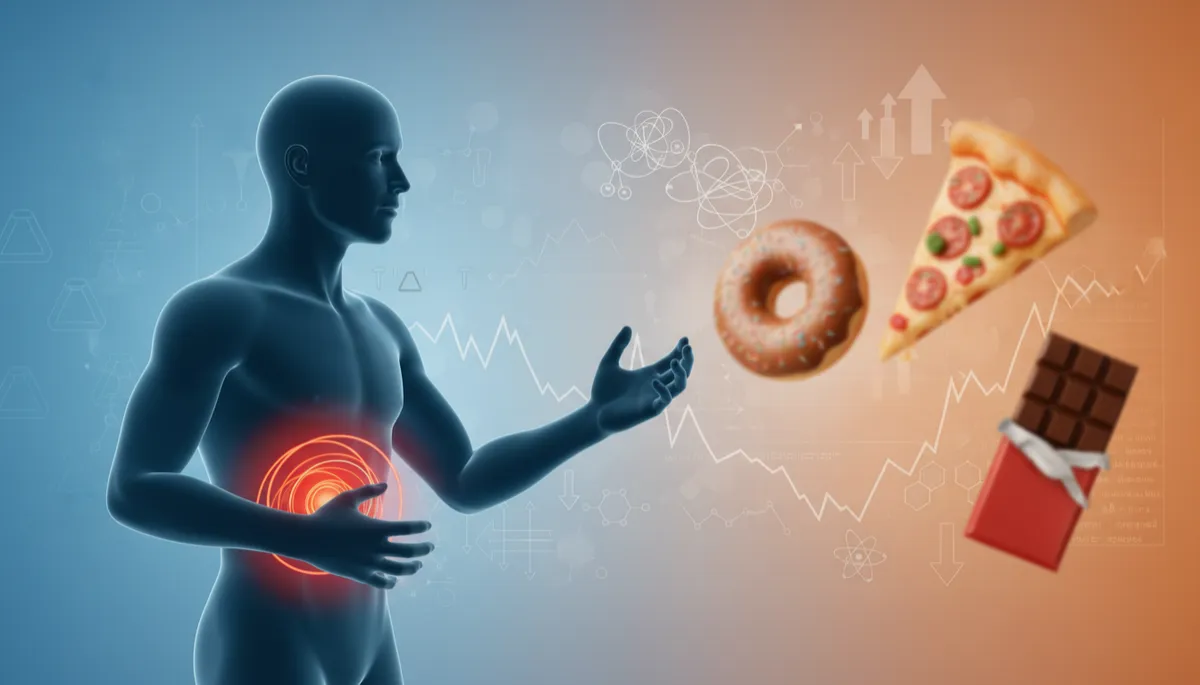
Extreme restriction often swings back as powerful cravings and late-night eating.
Why Ultra-Low Calorie Diets Trigger Hunger, Cravings, and Food Obsession
When you cut calories too low, your body doesn’t see it as a “diet”—it sees it as a potential famine. To protect you, it turns up survival mechanisms:
Hunger hormones rise. Levels of ghrelin (the hunger hormone) increase, while hormones that signal fullness may drop, making you feel constantly unsatisfied.
Your brain becomes food-focused. Thoughts about food, recipes, and “cheat meals” can take over, because your brain is trying to motivate you to eat.
Cravings intensify. You may especially crave high-sugar, high-fat foods that provide quick energy—exactly what your body thinks it needs in an emergency.
These reactions aren’t a lack of willpower; they’re normal biology. The more extreme the restriction, the louder those survival signals tend to become.
What to Do Instead: Safer, More Sustainable Approaches
If you’re stuck in a cycle of ultra-low calorie dieting, or struggling with the fallout—hunger, cravings, and constant food thoughts—there are more balanced options that still support weight loss and health.
1. Aim for a Moderate Calorie Deficit
Instead of slashing your intake, consider a smaller reduction—often 300–500 calories below your usual maintenance level. This can lead to slower, steadier weight loss with far less hunger and fewer cravings. Many people find they can stick with this approach for months, not days.
2. Prioritize Protein, Fiber, and Healthy Fats
Build meals around foods that keep you full and satisfied:
Protein – fish, chicken, eggs, Greek yogurt, beans, tofu
Fiber – vegetables, fruits, whole grains, lentils, chickpeas
Healthy fats – nuts, seeds, avocado, olive oil
These nutrients help stabilize blood sugar, reduce energy crashes, and naturally dial down cravings.
3. Add Structure Without Extreme Rules
Instead of rigid “good” and “bad” lists, try gentle structure: regular meal times, planning balanced snacks, and including foods you genuinely enjoy. Allowing some flexibility—like a favorite dessert a few times a week—can reduce the sense of deprivation that often fuels bingeing later.
4. Address the Mental and Emotional Side
If you notice constant food preoccupation, guilt after eating, or cycles of restriction and overeating, consider support from a registered dietitian or therapist who understands disordered eating. Healing your relationship with food can be just as important as changing what’s on your plate.
5. Talk to a Professional Before Making Big Changes
If you’re considering an ultra-low calorie plan because of medical concerns or significant weight loss goals, involve your healthcare provider. They can help you weigh risks and benefits, monitor your health, and suggest safer alternatives that still move you toward your goals.
The Bottom Line
Ultra-low calorie diets can be tempting when you want results yesterday. They can deliver rapid weight loss, but often at the cost of intense hunger, powerful cravings, constant thoughts about food, and potential health risks. For most people, they’re not a safe or effective long-term solution.
A more sustainable path focuses on moderate calorie reductions, satisfying meals, and a compassionate approach to your body. Instead of asking, “How fast can I lose weight?” it can be more helpful to ask, “What kind of eating pattern can I live with—comfortably—for years?” That’s where real, lasting change begins.
